Build Legally Sound, Secure, and Future-Ready Tokens
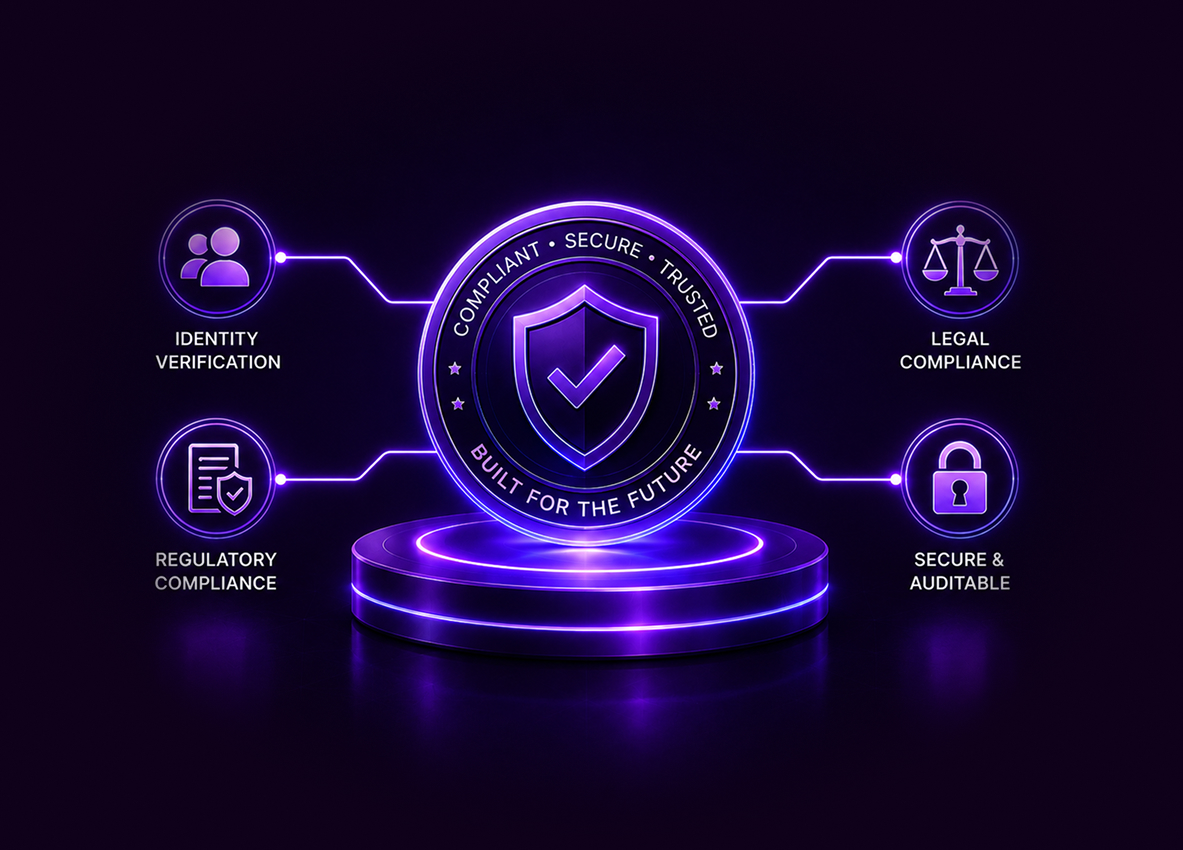
Design tokens that satisfy securities laws, KYC/AML requirements, and transfer restrictions, ensuring full regulatory compliance across jurisdictions.
- Built-in Transfer Restrictions
- KYC/AML Integration
- Multi-Standard Support










What is Regulatory-Compliant Token Design?
Regulatory-compliant token design ensures that digital assets adhere to legal and regulatory standards, making them suitable for issuance in regulated markets. It encompasses security token standards and compliance measures, focusing on token classification, transfer restrictions, and investor protection to meet jurisdictional requirements.
- Token Classification
- Permissioned Token Standards
- On-Chain Compliance
- Investor Protection
Why Organizations Need Compliant Token Design
Non-compliant tokens put companies at great legal and regulatory risk, which could lead to expensive fines, lawsuits, and lost business chances. In the world of digital assets that is changing quickly these days, not following the rules can cause big legal problems. As officials keep an eye on token sales and distribution, it's important to stay away from legal risks in tokenization to protect your assets, keep trust, and make sure your digital projects succeed in the long run. Check out our securities tokenization services to learn more about how to make digital assets that are legal.

Securities Law Violations
Tokens that aren’t listed as securities can get fined by the SEC and sued by investors. This puts businesses at a lot of legal and financial risk.

Global Regulatory Fragmentation
Tokenization regulations are very different across the EU (MiCA), the US (SEC/CFTC), and Asia (MAS), which makes it hard to make sure that everyone is following the rules.

Sanctions & AML Violations
If you send money that doesn’t follow the rules, you could be fined for breaking sanctions (OFAC) and anti-money laundering (AML) laws. This could hurt your image and finances.

Exchange Delisting Risk
Tokens that don’t meet the requirements set by blockchain for token issuance could be taken off of controlled exchanges, which would make them less liquid and less able to reach new customers.

Investor Lawsuits
Protecting investors is an important part of designing tokens. People who buy securities on the secondary market can sue producers for selling unregistered securities, which can be expensive and hurt trust.
Get Expert Guidance on Regulatory Token Design
Start Your ProjectBenefits of Regulatory-Compliant Token Design
Regulatory-compliant token design is very helpful for both companies and investors because it makes sure that digital assets are safe, legal, and able to be traded. For AI development services that need to follow data privacy rules and real estate tokenization that needs to protect investors, proper token design provides better legal protection and a bigger market reach.

Safe Harbor from SEC Enforcement
Offerings that are registered or exempt give investors protection from fines, rescindions, and cases that could stop tokens from being issued and the market from working.

Global Listing Eligibility
It is possible for compliant tokens to be listed on regulated platforms and broker-dealers. This gives issuers access to global markets and makes their assets more liquid.

Institutional Investor Access
Getting money from institutional investors like funds, banks, and accredited investors is easier when you follow the rules set by regulators. This creates growth possibilities.

Secondary Market Liquidity
Compliance with regulations lets tokens be traded on regulated platforms, making 24/7 compliant token markets and giving investors more options for buying and selling.

Automated Enforcement
Automatic enforcement makes sure that tokens stay compliant without any help from a person because rules like transfer limits and regional restrictions are built right into the token.

Audit-Ready Transactions
Compliance metadata is added to every transfer, so the regulator can see the full past of the token and make sure that regulated token systems are open and honest.
How Regulatory-Compliant Token Design Works
Regulatory-compliant token design combines technical and legal frameworks to make sure that tokens meet regulatory standards and allow transactions that are safe and can be tracked. This process combines ML pipeline development for verifying identities with treasury management for compliance reporting, making a safe system for giving out tokens.
Legal & Token Classification
The first step is to use the Howey Test and a full legal analysis to figure out whether the token is a utility or a security. This is to make sure it meets all the regulatory requirements.
Standards & Compliance Logic Selection
Pick the right token standard (for example, ERC-1400, ERC-3643, or ERC-1404), and then add legal logic, such as transfer rules, to make sure the token meets regulatory needs.
KYC/AML & Whitelisting Integration
Build KYC/AML checks into the design of the token to make sure investors are who they say they are and to keep track of on-chain attestations. This way, only wallets on a whitelist will be able to deal with the token system.
Transfer Restriction Coding
To make sure that regulations are followed and that tokens are only moved in allowed situations, code transfer restrictions like jurisdictional limits, accreditation checks, and lockup periods are built into the token.
Deployment & On-Chain Compliance
Put the token into use with management rights that allow for freezing, forced transfers, and rule updates. This will make sure that the token works with the new rules that are being made.
Ongoing Monitoring & Reporting
Real-time transaction filtering and compliance tracking should be put in place so that regulators can be notified and transactions that don't follow the rules can be revoked to ensure ongoing compliance.
Our Regulatory-Compliant Token Design Services
We are a top company that makes security tokens, and we offer a wide range of services to make sure that your tokens meet the strictest legal requirements and allow for safe, scalable blockchain solutions. Our web3 development services for decentralized infrastructure and AI development services for identity verification work together to make legal tokens that are ready for production.

Security Token Development (ERC-1400/ERC-3643)
With our knowledge of the ERC-1400 and ERC-3643 standards, you can make transfer-restricted security tokens that are legal. This will make sure that you meet all regulatory requirements.

KYC/AML & Whitelisting Integration
By combining on-chain whitelists with identity verification and transaction monitoring, you can make sure that only wallets that follow the rules can deal with your tokens.

STO Platform Development
We offer compliant token issuance from start to finish, along with automatic investor onboarding. This speeds up the process for Security Token Offerings (STOs) on a safe, scalable platform.

Cross-Jurisdictional Compliance
Set up modular transfer rules that are compatible with US, EU, Singapore, UAE, and other legal systems. This will make sure that your tokenized assets are compliant around the world.
Compliance Automation Engine
Enforce lockups, redemption rights, and governance programmatically through automated compliance methods to make sure that rules are followed without any problems.

Token Migration & Upgrade Services
With our token migration and update services, you can change non-compliant tokens to ERC-1400/ERC-3643 standards. This will make your tokens compliant with security token rules.

Regulatory Reporting Dashboard
Our dashboard lets you keep an eye on real-time compliance data and gives regulators and inspectors the information they need to keep regulations clear.

Legal & Compliance Consulting
Our team can give you expert legal advice on how to classify tokens, write memos, and communicate with regulators to make sure your token follows all important legal frameworks.
Regulatory-Compliant Token Solutions by Use Case
Our compliant asset tokenization solutions cater to diverse use cases, ensuring that your digital assets meet the required regulatory standards for secure and efficient token issuance.
Private Equity Tokenization (Reg D/S)
Accredited-only tokens with transfer restrictions and investor attestations, ensuring compliance with private equity regulations.
- Accredited investors only
- Lockup periods enforced
- Secondary market restrictions

Real Estate Investment Token (Reg A+)
Public offering with non-accredited participation and state blue sky compliance, ensuring broader market access.
- Non-accredited allowed
- Blue sky checks
- Quarterly reporting required

EU MiCA-Compliant Asset Token
Full on-chain compliance with EU transfer and investor rules, aligning with the MiCA regulatory framework.
- MiCA framed compliance
- Investor cap enforcement
- White paper requirement

Corporate Bond Digital Security
Institutional token with on-chain coupon payments and maturity rules, enabling efficient and compliant bond tokenization.
- Coupon automation
- Maturity enforcement
- Institutional compliance
Debt & Credit Token
Lending pools with transfer locks, proof-of-funds, and bankruptcy-protection features, ensuring secure debt transactions.
- Credit tokens for lending
- Transfer locks implemented
- Bankruptcy safe mechanism

NFT Tokenization for Art & Collectibles
On-chain NFT tokenization of physical and digital assets, ensuring compliance with art and collectibles regulations.
- Provenance tracking
- Royalty enforcement
- Compliance with art laws
Industries We Serve
Tokenization solutions that are legal, safe, secure, and scalable that we offer are used in a wide range of businesses. We help businesses that need legal safety and regulatory clarity with things like commodity tokenization for natural resources and predictive analytics solutions for compliance monitoring.
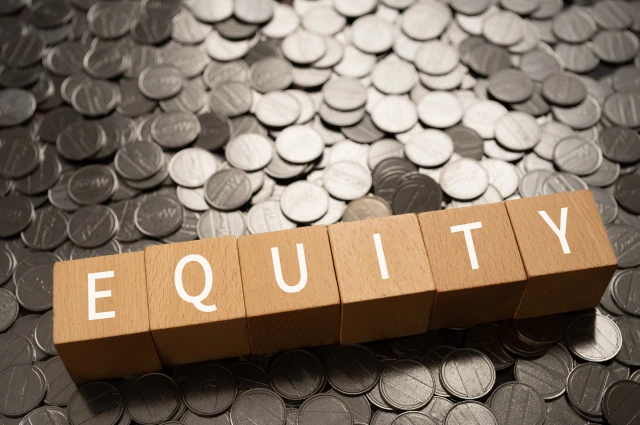
Private Equity & Venture Capital
Tokenize fund interests with secondary trade compliance and access limited to accredited investors. This will increase liquidity and protect investors.
- Accredited access only
- Lockup periods enforced
- SPV tokenization options

Real Estate & REITs
Compliant property tokens with a Reg A+ public sale and quarterly dividend payments, making investments easier to get.
- Reg A+ ready for public offering
- Dividend automation for investors
- Non-accredited access for broader reach
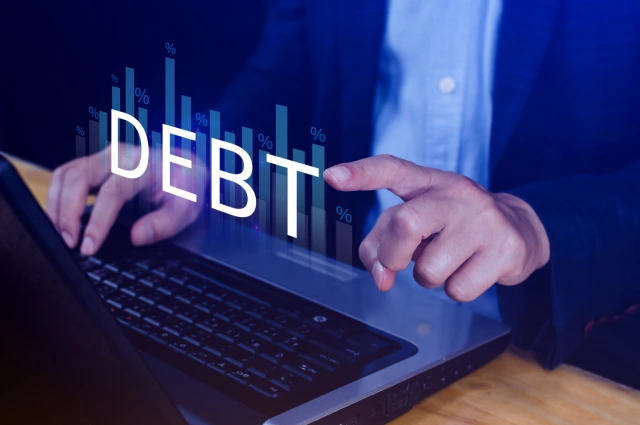
Debt & Structured Credit
Tokenized bonds, bills, and loan pools with rules for compliance and redemption that are built into the blockchain, making debt markets safe.
- Bond coupons automation
- Lending pools for credit markets
- Redemption rules enforced on-chain

Financial Services & Banking
Tokens for institutions that are whitelisted, have anti-money laundering (AML) filters, and have reporting ports for regulators. These meet strict financial laws.
- Wallet whitelisting for compliance
- AML filters integrated for security
- Regulator APIs for automated reporting

Commodities & Natural Resources
Tokenized oil, gas, and minerals with limits on who can move them and how much an investor can spend. This makes sure that the industry follows the rules.
- Jurisdictional transfer limits
- Investor caps for regulated assets
- Commodity compliance for trading
Private Equity & Venture Capital
Tokenize fund interests with secondary trade compliance and access limited to accredited investors. This will increase liquidity and protect investors.
- Accredited access only
- Lockup periods enforced
- SPV tokenization options
Real Estate & REITs
Compliant property tokens with a Reg A+ public sale and quarterly dividend payments, making investments easier to get.
- Reg A+ ready for public offering
- Dividend automation for investors
- Non-accredited access for broader reach
Debt & Structured Credit
Tokenized bonds, bills, and loan pools with rules for compliance and redemption that are built into the blockchain, making debt markets safe.
- Bond coupons automation
- Lending pools for credit markets
- Redemption rules enforced on-chain
Financial Services & Banking
Tokens for institutions that are whitelisted, have anti-money laundering (AML) filters, and have reporting ports for regulators. These meet strict financial laws.
- Wallet whitelisting for compliance
- AML filters integrated for security
- Regulator APIs for automated reporting
Commodities & Natural Resources
Tokenized oil, gas, and minerals with limits on who can move them and how much an investor can spend. This makes sure that the industry follows the rules.
- Jurisdictional transfer limits
- Investor caps for regulated assets
- Commodity compliance for trading
Ensure Your Token Meets Legal Standards with Our Expertise
Schedule a ConsultationOur Regulatory-Compliant Token Development Process
Our method makes sure that the process of developing tokens is smooth and legal, meeting all legal, technical, and regulatory requirements exactly. Cross-chain smart contract patterns are used in this process for multi-chain issuance and multi-chain wallet development for safe asset management.

Legal & Regulatory Assessment
To make sure you're following the rules for securities laws, find out how tokens are classified, what waivers are available (Reg D/S/A+), and where you need to file them.
Token Standard & Compliance Design
To make sure compliance, choose ERC-1400/3643 standards, plan transfer limits, and add whitelists and Know Your Customer (KYC) systems.


Smart Contract Development & Audit
Set up compliance rules, put the token on a testnet, and do a security audit to make sure it works and is safe.
Issuance & Post-Launch Compliance
To make sure that you are always following the rules, you should whitelist investors, mint tokens, and set up ongoing tracking and reporting to regulators.

Why Choose Techfyte for Token Design
Techfyte's compliant token developers have a unique mix of legal and technical knowledge that will make sure your tokens meet all regulatory standards and work at their best.

Technical Expertise
Securities token engineers work together on our team to make sure that everyone follows the rules and does a great job with the technology in both areas.

Multi-Standard Mastery
We have a lot of experience putting ERC-1400, ERC-3643 (T-REX), ERC-1404, and ERC-1462 into production, which gives us a lot of freedom in designing tokens.

Pre-Built Compliance Modules
You can easily add whitelisting, transfer restrictions, and jurisdiction rules by using plug-and-play components. This makes integration easier and speeds up rollout.