Custom Multi Chain Crypto Wallet Development
Unify asset storage, dApp access, and transactions across blockchains in one seamless wallet experience.
- Non-Custodial Wallets
- Wallet Interoperability
- Cross-Chain Transactions Without Wallet Switching










What is a Multi-Chain Wallet?
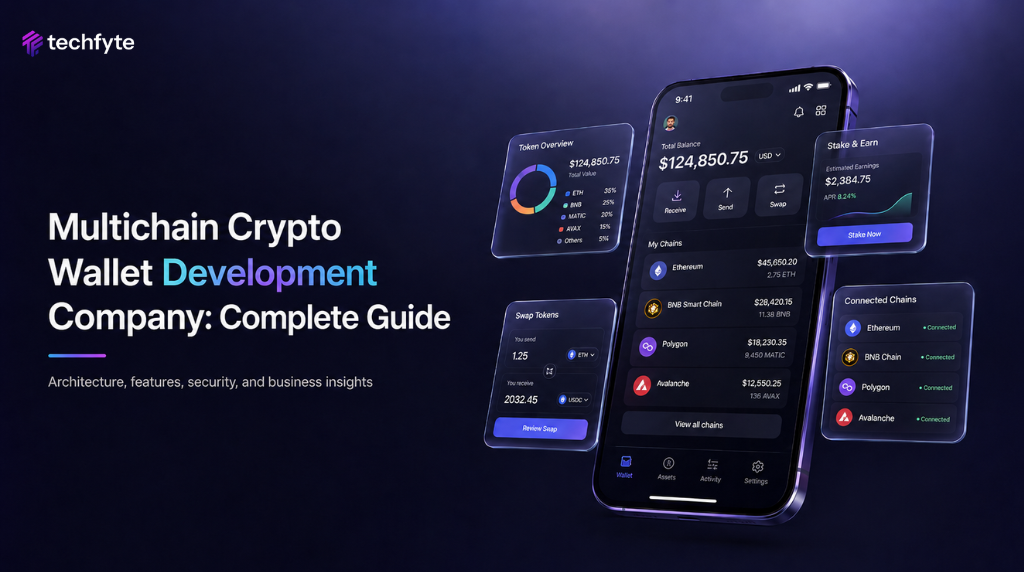
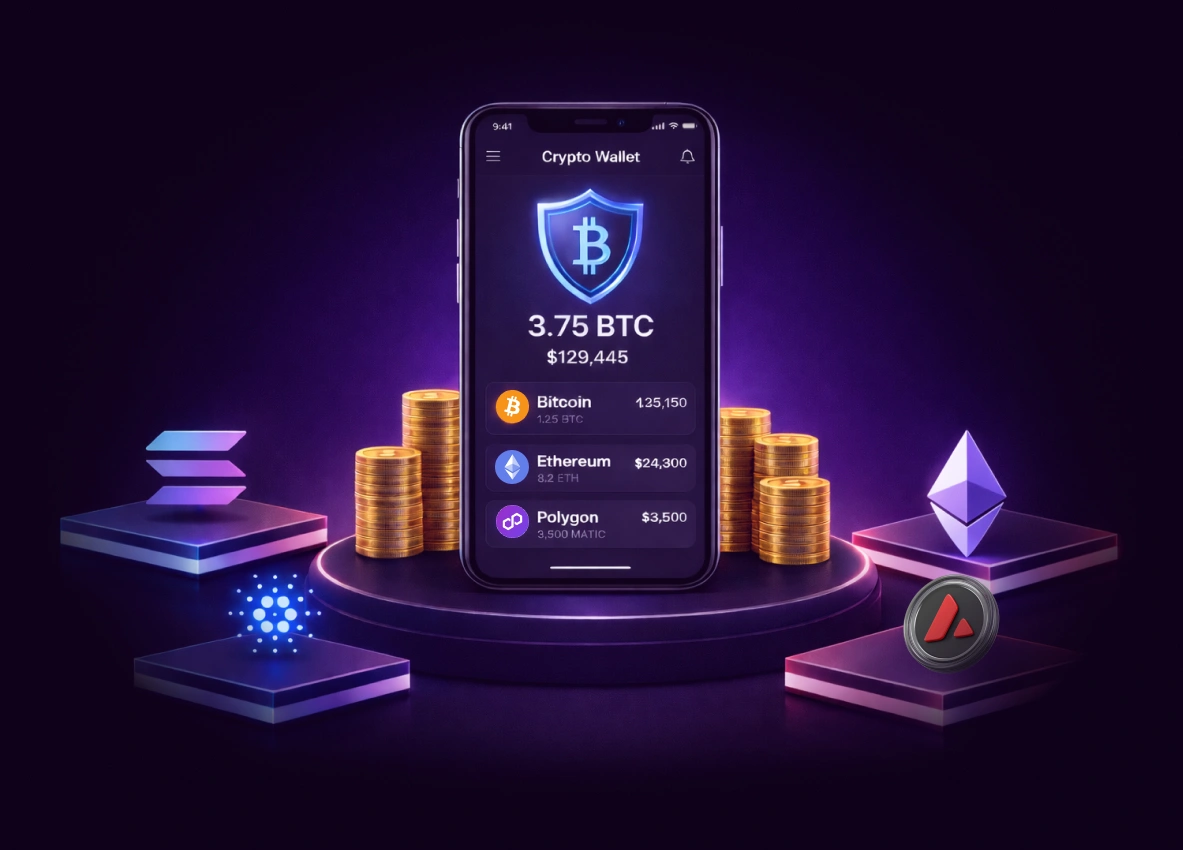
A multi-chain crypto wallet by a multi chain wallet development company, is a single wallet application that lets users store assets, connect to dApps, and sign transactions across multiple blockchain networks from one interface. Instead of forcing users to juggle separate wallets for Ethereum, Polygon, BNB Chain, Solana, or Bitcoin, it creates one access layer for assets, identity, and transaction execution. That sounds simple on the surface, but effective cross-chain wallet development requires much more than adding extra RPC URLs. The wallet has to manage different derivation paths, token standards, fee models, signing flows, and session behaviors without exposing that complexity to the user. The strongest implementations also preserve the trust model of non-custodial wallets, where users retain full control over their private keys and recovery flows. Multi-chain wallets are often powered by cross-chain logic and smart contracts, similar to our cross-chain smart contract development services.
What this enables:
- Unified asset dashboard
- Cross-chain transaction support
- Universal dApp connectivity
Why Businesses Build Multi-Chain Wallets
Businesses do not invest in wallet infrastructure just to check a feature box. They build multi-chain wallets because wallet friction directly affects onboarding, retention, transaction volume, and long-term product growth. When users need separate wallets for separate chains, every extra install, context switch, and signing flow increases drop-off. Most multi-chain crypto wallet apps fail because they bolt chains together. We design systems where chains feel invisible to the user. That matters because businesses building for the next phase of Web3 cannot afford to bet everything on one ecosystem, one fee model, or one chain-specific UX pattern. A strong wallet is not just a utility layer, it is a product layer, a distribution layer, and in many cases, a revenue layer.

User Acquisition and Retention
A single multi-chain wallet removes wallet-switch friction, shortens onboarding, and keeps more users inside your product experience.

Future-Proof Chain Strategy
As market activity shifts across L1s and L2s, your wallet can expand without forcing a full rebuild of core infrastructure.

Cross-Chain Product Enablement
DeFi, NFT, gaming, and exchange products increasingly depend on cross-chain execution, and native wallet support keeps that activity inside your platform.

Brand Ownership and Control
A custom wallet lets your business own the user journey, compliance flows, analytics, and monetization instead of outsourcing them to third-party wallets.

New Revenue Opportunities
Integrated swaps, relayers, bridge routing, gas abstraction, and premium wallet features create monetization paths that external wallets usually capture.
Build One Wallet for Multiple Blockchain Assets
Get StartedBenefits of Multi-Chain Crypto Wallet Development
The real benefits of multi-chain crypto wallet development go beyond convenience. They eliminate wallet-switch friction, reduce engineering duplication, simplify cross-chain execution, and create a better foundation for scale. For users, that means a cleaner Web3 experience. For businesses, it means stronger retention, lower maintenance overhead, and more control over product growth.

Seamless Cross-Chain Transactions
Users can swap, transfer, or route assets across networks without leaving the wallet interface, reducing friction and limiting reliance on disconnected third-party tools.

Enhanced Security & Privacy
Support for MPC, biometric authentication, hardware wallets, and encryption strengthens protection while preserving the trust model of non-custodial wallets.

Scalable Wallet Infrastructure
A modular, scalable wallet infrastructure makes it easier to add networks such as Avalanche, Base, or Arbitrum without expensive rewrites across the entire codebase.

Unified User Experience
One product surface for balances, NFTs, transaction history, and dApp connectivity creates an improved user experience in Web3 apps.

Future-Proof Interoperability
Support for WalletConnect v2, provider standards, and chain-agnostic session handling improves compatibility with evolving protocols and cross-chain ecosystems.

Cost Efficiency
One well-architected wallet reduces duplicated development, simplifies QA, and lowers the long-term cost of crypto wallet development across multiple chains.
Understanding How Multi-Chain Wallets Work
Multi-chain crypto wallet apps require deliberate architecture across key derivation, transaction abstraction, network connectivity, and secure storage. They are built to manage different blockchain rules behind one consistent wallet experience.
Key Management Layer: Unified Derivation
A single BIP-39 seed phrase generates chain-specific accounts through HD wallets, with each network mapped to its own derivation path, such as Ethereum, Solana, or Bitcoin.
RPC & Node Aggregation Layer
The wallet maps each network to provider infrastructure for state reads, fee estimation, nonce tracking, and transaction broadcasting with failover support.
Transaction Building & Signing Abstraction
Ethereum, Solana, and Bitcoin all use different payload structures and signing rules, so the wallet needs chain-specific builders behind a shared application interface.
Session & dApp Connectivity Layer
WalletConnect v2 and provider standards allow the wallet to connect with dApps while managing namespaces, permissions, sessions, and request routing.
Secure Storage & Authentication
Private keys stay inside encrypted device storage, secure vaults, or MPC-based systems so signing can happen safely without exposing raw credentials.
Fee Estimation & Gas Abstraction Layer
Different blockchains use different fee models, so the wallet handles gas estimation, fee calculation, and optional abstraction mechanisms to ensure smooth and predictable transactions.
Our Multi-Chain Wallet Development Services
Techfyte delivers multi-chain wallet development services for businesses building secure, scalable, and product-ready wallet infrastructure. From custom builds to institutional-grade architectures, we develop wallet systems aligned with your platform, users, and growth roadmap.
Custom Multi-Chain Wallet Development
We handle custom crypto wallet development from the ground up, aligned to your target chains, product requirements, transaction flows, and long-term architecture goals.

White Label Crypto Wallet Solution
Launch a brandable wallet faster with custom UI, multi-chain support, and flexible feature layers without starting from a blank codebase.

MPC and Institutional Wallets
We implement institutional-grade security through distributed key shares, approval workflows, policy controls, and operational safeguards for enterprise digital asset management.

Cross-Chain Bridge Integration
We integrate bridge and routing layers that support cross-network transfers while keeping execution inside the wallet experience instead of external tools. Technologies like Cosmos SDK and interoperability protocols are integral to our blockchain interoperability solutions.

Smart Contract Wallet Development
We build account abstraction wallet experiences with ERC-4337 features such as social recovery, gas sponsorship, policy controls, and batched transactions.

Wallet SDK and Developer Tools
Our modular SDKs help businesses embed wallet flows into dApps, exchanges, and platforms that need flexible web3 wallet development solutions.

Wallet Security Audits and Optimization
We review wallet architecture, signing flows, and smart contract interactions to identify vulnerabilities, improve performance, and ensure production readiness across supported chains.
Our Multi-Chain Wallet Tech Stack at a Glance
Our stack supports secure key handling, reliable node connectivity, flexible signing logic, and scalable backend architecture for modern multi-chain wallet products.











Web3 Wallet
A next-generation Web3 wallet infrastructure that simplifies blockchain interactions through seamless onboarding, secure key management, and intuitive transaction experiences.
- Passwordless wallet onboarding
- Simplified key management
- Seamless cross-chain transactions

Our Multi-Chain Wallet Solutions Across Industries
Multi-chain wallet development infrastructure is not limited to one Web3 vertical. We build wallet systems around industry-specific transaction flows, compliance expectations, and user behavior patterns.

DeFi Platforms
Enable lending, borrowing, staking, and yield workflows across multiple ecosystems through one wallet architecture built for capital efficiency.
- Cross-chain lending
- Yield aggregation
- Staking dashboards
NFT Marketplaces
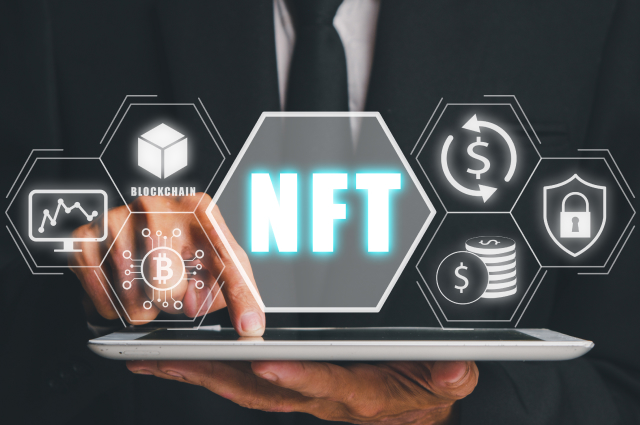
Support multi-chain NFT discovery, portfolio visibility, trading, and collection management without forcing users into separate wallet environments.
- Multi-chain NFT display
- Collection management
- Instant listing and offers

Gaming Studios
Create embedded wallet experiences that simplify onboarding, support player-owned assets, and unlock cross-game interoperability.
- One-click login
- Asset interoperability
- Player-owned economies

Cryptocurrency Exchanges
Add non-custodial wallet flows for deposits, withdrawals, and on-chain trading while keeping users inside your exchange experience.
- Self-custody integration
- Seamless deposits and withdrawals
- Cross-chain trading

Enterprise Treasury
Build secure treasury wallets with MPC, approvals, and auditability for institutional asset operations and internal governance.
- Multi-signature approvals
- Audit trails
- Role-based access control

Fintech & Neobanks
Add embedded wallet capabilities that help financial apps offer crypto access, portfolio visibility, and conversion experiences.
- Crypto on-ramps
- Portfolio tracking
- Fiat-crypto conversion

Layer 1 & Layer 2 Ecosystems
Launch ecosystem wallets that drive network adoption, surface chain-native features, and connect users directly to applications on your chain.
- Native dApp browser
- Ecosystem incentives
- Chain-specific features
DeFi Platforms
Enable lending, borrowing, staking, and yield workflows across multiple ecosystems through one wallet architecture built for capital efficiency.
- Cross-chain lending
- Yield aggregation
- Staking dashboards
NFT Marketplaces
Support multi-chain NFT discovery, portfolio visibility, trading, and collection management without forcing users into separate wallet environments.
- Multi-chain NFT display
- Collection management
- Instant listing and offers
Gaming Studios
Create embedded wallet experiences that simplify onboarding, support player-owned assets, and unlock cross-game interoperability.
- One-click login
- Asset interoperability
- Player-owned economies
Cryptocurrency Exchanges
Add non-custodial wallet flows for deposits, withdrawals, and on-chain trading while keeping users inside your exchange experience.
- Self-custody integration
- Seamless deposits and withdrawals
- Cross-chain trading
Enterprise Treasury
Build secure treasury wallets with MPC, approvals, and auditability for institutional asset operations and internal governance.
- Multi-signature approvals
- Audit trails
- Role-based access control
Fintech & Neobanks
Add embedded wallet capabilities that help financial apps offer crypto access, portfolio visibility, and conversion experiences.
- Crypto on-ramps
- Portfolio tracking
- Fiat-crypto conversion
Layer 1 & Layer 2 Ecosystems
Launch ecosystem wallets that drive network adoption, surface chain-native features, and connect users directly to applications on your chain.
- Native dApp browser
- Ecosystem incentives
- Chain-specific features
Ready to Launch Your Own Multi-Chain Crypto Wallet?
Talk to Our ExpertsHow We Execute Multi-Chain Wallet Development
Our phased process brings structure to custom crypto wallet development, reducing delivery risk while helping teams plan scope, security, and execution with greater clarity.

Design & Strategy
We define supported chains, feature scope, key management, compliance requirements, and architecture decisions before implementation starts.
Development & Integration
We build the wallet core, integrate provider infrastructure, implement signing flows, and connect dApp interaction layers across supported ecosystems.


Audit & Deployment
We validate the wallet through security review, cross-chain QA, and production deployment across web, mobile, or extension environments.
Why Choose Us for Multi-Chain Wallet Development
Techfyte is a multi chain wallet development company that combines blockchain engineering depth, product thinking, and production-focused execution for serious Web3 businesses.

Deep Web3 Expertise
Our team includes 50+ blockchain engineers with delivery experience across 20+ L1 and L2 networks, including EVM and non-EVM environments.

Production-Ready Code
We build for launch and scale, with maintainable architecture, audit readiness, and infrastructure decisions designed for long-term product operation.

Flexible Engagement Models
You can hire dedicated wallet engineers, engage a focused delivery team, or work with us on scoped crypto wallet development initiatives.