Deploy AI Models Designed for Real Production
We help teams deploy AI models into live environments with reliable pipelines and real-time serving, ensuring consistent performance, strong security, and smooth operations as usage grows.
- Reliable model delivery
- Real-time inference
- Secure production workflows
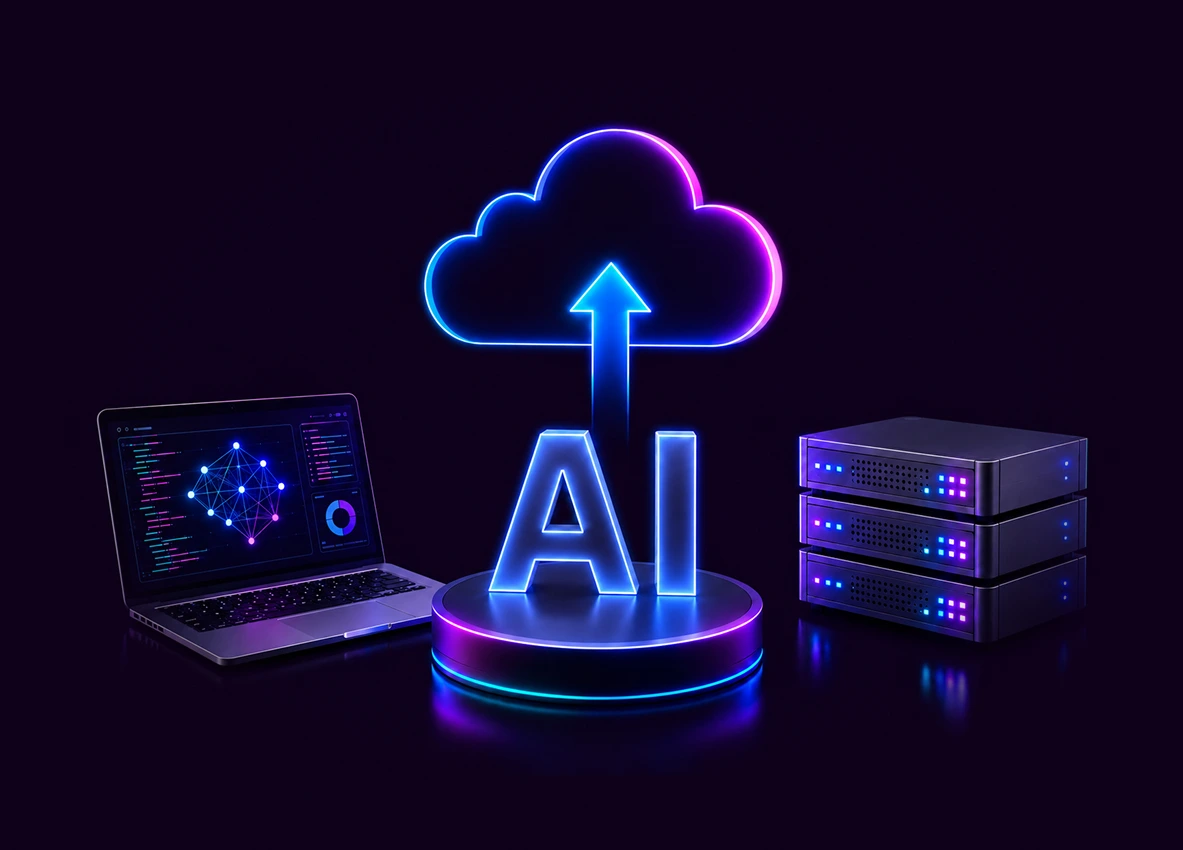











What is AI Deployment & Model Serving?
AI deployment and model serving are about turning trained models into systems that work consistently in real applications. It covers how models are packaged, connected to applications, and exposed through APIs so predictions can be requested and returned without friction. Think of it as moving from a prototype on a laptop to a component that fits cleanly into your product stack. Model serving handles how requests flow to models, how responses are returned, and how performance stays predictable under load. Deployment also includes managing versions, updates, and rollbacks so changes don’t interrupt users. Together, these practices support production-ready AI systems that are easier to operate, easier to maintain, and built to evolve as business needs change.
- Model API exposure
- Real-time request handling
- Versioned model updates
Why Businesses Need Professional AI Deployment Services?
Training a model is only part of the work. The real test is when it has to run inside corporate systems where uptime, consistency and cost control really matters. Even good models can become unreliable in day to day use or too expensive to maintain at scale if not deployed correctly. Professional AI deployment is about what happens after the model is built. Helping teams avoid that gap. It provides a framework for the release, monitoring, and improvement of models so that teams don’t have to constantly troubleshoot production issues or redesign workflows in response to failures. The goal is AI that works with existing systems rather than on existing systems, without adding operational burden.

Reduced Operational Risk
Minimizes production failures and downtime by ensuring models are deployed with proper safeguards, monitoring, and rollback readiness in place.

Lower Infrastructure Waste
Optimizes how models use compute resources, helping businesses avoid unnecessary costs from inefficient or overprovisioned AI workloads.

Faster Business Experimentation
Enables teams to test and iterate on AI features quickly without long deployment cycles slowing down product decisions.

Improved System Reliability
Ensures models behave consistently under real usage conditions, reducing unexpected behavior and maintaining stable user experiences.
How AI Deployment Works?
AI deployment runs trained models as live services that handle requests and return reliable predictions in controlled production environments, built on structured ML pipeline development that prepares and validates models before deployment.
Model Packaging Stage
The trained model is bundled with its dependencies, configurations, and runtime requirements so it can execute consistently outside the training environment.
Container Setup Process
The packaged model is deployed inside a controlled container that isolates it from system differences and ensures predictable execution across environments.
API Layer Exposure
A service layer is created to accept incoming requests and route them to the model, enabling external systems to interact with it programmatically.
Real Time Inference Flow
Each request is processed through the model in sequence, producing outputs within strict latency limits suitable for live applications.
Deployment Orchestration Setup
System resources, scaling rules, and deployment versions are managed to ensure stable operation during traffic changes or updates.
Continuous System Monitoring
Live metrics are tracked to detect latency spikes, errors, or drift, allowing teams to maintain system stability without manual oversight.
Features of Modern AI Deployment Systems
This section highlights the practical capabilities teams get when running AI systems in production, especially when powering use cases like predictive analytics solutions that depend on stable, real-time inference and system reliability.

Rapid Release Control
Enables teams to push model changes without long release cycles, helping product updates reach production faster with minimal coordination overhead.

Multi-Environment Parity
Keeps development, staging, and production behavior aligned so teams avoid surprises caused by inconsistent runtime conditions during deployment.

Dynamic Traffic Adaptation
Adjusts system behavior based on real usage patterns, ensuring stable operation even when demand changes unexpectedly across time or regions.

System Integration Flexibility
Allows AI models to connect with different backend systems without requiring major changes to existing application logic or infrastructure design.

Compute Usage Optimization
Ensures models run efficiently by balancing resource consumption, helping reduce unnecessary infrastructure load during both peak and low traffic periods.

Safe Update Validation
Provides controlled checks before updates go live, allowing teams to validate changes and avoid introducing instability into production environments.
Fix Your AI Deployment Gaps
Review Your Deployment SetupOur AI Deployment & Model Serving Services
We help teams take AI models from development to production by handling the full deployment process end-to-end. Our focus is on building, integrating, and operating reliable AI systems so your team doesn’t need to manage infrastructure complexity or production overhead.

ML Model Serving APIs
We set up production-ready APIs that connect your applications directly to AI models, handling request routing, and response delivery so your teams can focus on product development instead of backend serving layers.

Real-Time Inference Systems
We deploy live inference systems that power user-facing AI features, ensuring your models respond reliably under real traffic conditions without performance instability or manual intervention.

Batch Serving Pipelines
We build and manage scheduled processing pipelines for large-scale data workloads, enabling you to run AI tasks efficiently without impacting your live production systems.

Edge Deployment Solutions
We deploy AI models closer to where data is generated, helping you reduce response delays and support use cases that require faster, location-aware processing.

Model Integration Services
We integrate trained models directly into your existing applications, workflows, and backend systems so they function as a natural part of your product without architectural disruption.

Inference API Development
We develop structured inference interfaces that allow your systems to communicate with deployed models reliably, ensuring consistent input handling and predictable outputs across applications.

Cloud Deployment Services
We handle full cloud deployment of AI models, setting up secure, scalable environments that are ready for production use without requiring your team to manage infrastructure or configuration.

Containerized Deployment Setup
We package and deploy models in containerized environments to ensure they run consistently across systems, simplifying deployment, updates, and long-term maintenance.

Model Lifecycle Management
We manage ongoing model operations including version control, safe updates, rollback handling, and controlled releases to keep your AI systems stable and continuously improvable in production.
AI Deployment Solutions Across Modern Industries
We deploy AI systems across industries, adapting them to real operational needs, and many evolve into enterprise AI assistants that automate decisions, streamline workflows, and improve team efficiency.

Financial Services AI
We deploy AI systems that help financial platforms detect anomalies and assess risk in real time. These systems are designed to handle high transaction volumes where speed and accuracy directly impact fraud prevention and compliance decisions.
- Fraud pattern detection
- Transaction risk scoring
- Real-time anomaly alerts
- Compliance monitoring systems

Healthcare AI Solutions
We support healthcare environments with AI systems focused on assisting diagnostics and managing clinical data. The priority is stable performance, controlled outputs, and predictable behavior in sensitive decision-making workflows.
- Diagnostic assistance models
- Patient data processing
- Medical imaging support
- Clinical decision systems

E-commerce AI Systems
We deploy AI systems that improve how users interact with digital shopping platforms. These models adjust recommendations, pricing signals, and product discovery based on live user behavior and engagement patterns.
- Product recommendation logic
- Dynamic pricing support
- User behavior modeling
- Personalization systems
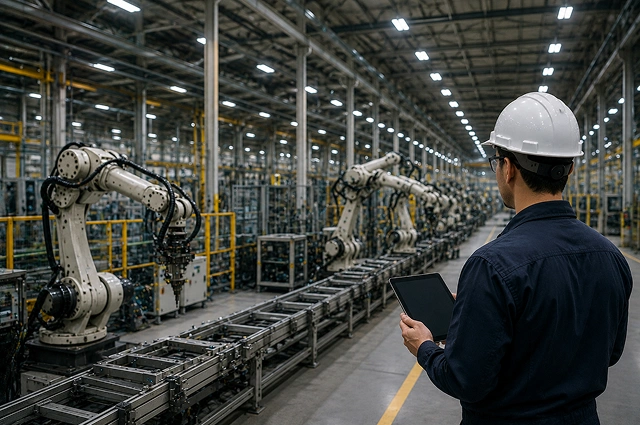
Industrial AI Deployment
We enable AI systems that run close to machines and equipment to detect issues early and reduce downtime. These deployments focus on reliability in environments where delays or failures can interrupt operations.
- Predictive maintenance models
- Equipment failure detection
- Sensor data analysis
- Operational monitoring systems
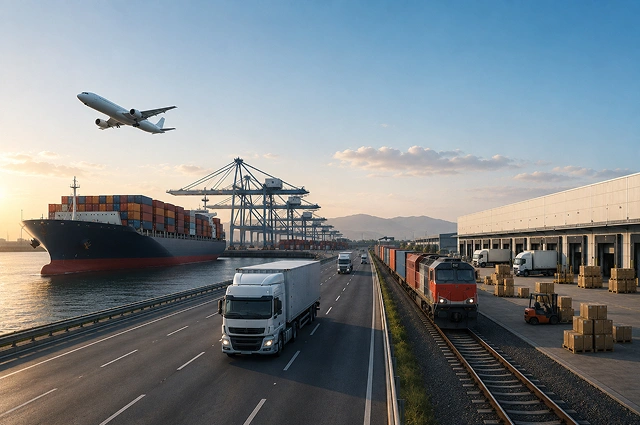
Logistics AI Optimization
We implement AI systems that improve planning, routing, and supply chain efficiency. These models help organizations react faster to changing delivery conditions and optimize movement of goods across networks.
- Route optimization systems
- Demand forecasting models
- Fleet tracking intelligence
- Supply chain planning
Financial Services AI
We deploy AI systems that help financial platforms detect anomalies and assess risk in real time. These systems are designed to handle high transaction volumes where speed and accuracy directly impact fraud prevention and compliance decisions.
- Fraud pattern detection
- Transaction risk scoring
- Real-time anomaly alerts
- Compliance monitoring systems
Healthcare AI Solutions
We support healthcare environments with AI systems focused on assisting diagnostics and managing clinical data. The priority is stable performance, controlled outputs, and predictable behavior in sensitive decision-making workflows.
- Diagnostic assistance models
- Patient data processing
- Medical imaging support
- Clinical decision systems
E-commerce AI Systems
We deploy AI systems that improve how users interact with digital shopping platforms. These models adjust recommendations, pricing signals, and product discovery based on live user behavior and engagement patterns.
- Product recommendation logic
- Dynamic pricing support
- User behavior modeling
- Personalization systems
Industrial AI Deployment
We enable AI systems that run close to machines and equipment to detect issues early and reduce downtime. These deployments focus on reliability in environments where delays or failures can interrupt operations.
- Predictive maintenance models
- Equipment failure detection
- Sensor data analysis
- Operational monitoring systems
Logistics AI Optimization
We implement AI systems that improve planning, routing, and supply chain efficiency. These models help organizations react faster to changing delivery conditions and optimize movement of goods across networks.
- Route optimization systems
- Demand forecasting models
- Fleet tracking intelligence
- Supply chain planning
Get AI Deployment for Your Industry
Start Industry Deployment PlanEnterprise AI Deployment Execution Workflow
This section focuses on how enterprise AI systems are governed and maintained after deployment. Instead of infrastructure setup, the workflow here ensures stability, accountability, and continuous reliability in real production environments where AI systems directly impact business operations.

Production Readiness Validation
Before full release, we validate model behavior under real-world conditions to ensure it meets performance, stability, and business accuracy requirements in live environments.
Environment Alignment Control
We ensure consistency across staging and production environments so AI systems behave predictably without unexpected deviations during real usage.


Release Governance Management
Every model update is controlled through structured approval workflows, ensuring changes are reviewed, tested, and safely introduced into production systems.
Runtime Performance Assurance
We continuously evaluate system responsiveness and output stability to ensure AI models maintain consistent performance under real production workloads.


Risk Containment Strategy
We implement safeguards that limit the impact of unexpected model behavior, ensuring failures are isolated without affecting overall system availability.
Continuous Optimization Loop
Post-deployment insights are used to refine model performance, improve efficiency, and guide iterative enhancements without disrupting live operations.

Why Choose Us as an AI Deployment Company?
We ensure AI deployment works reliably in real production environments where systems must maintain stability, scalability, and consistent performance under real-world conditions.

Production Reality Focused
Design decisions prioritize how systems behave under real usage, not how they perform in controlled testing environments or demos.

Long-Term Behavior Engineering
Attention stays on how deployed models evolve over time, including stability under changing data patterns and real operational conditions.

Extended Deployment Ownership
Responsibility continues after launch, ensuring systems remain dependable through live monitoring, performance behavior tracking, and production continuity.