Non-Custodial Wallet for True Digital Ownership
Take control of your digital assets with a Non-Custodial Wallet designed for self-custody, giving you secure access, full independence, and confidence to move freely across the Web3 ecosystem anytime.
- Full control over private keys
- No third-party access or control
- Secure Web3-ready asset ownership
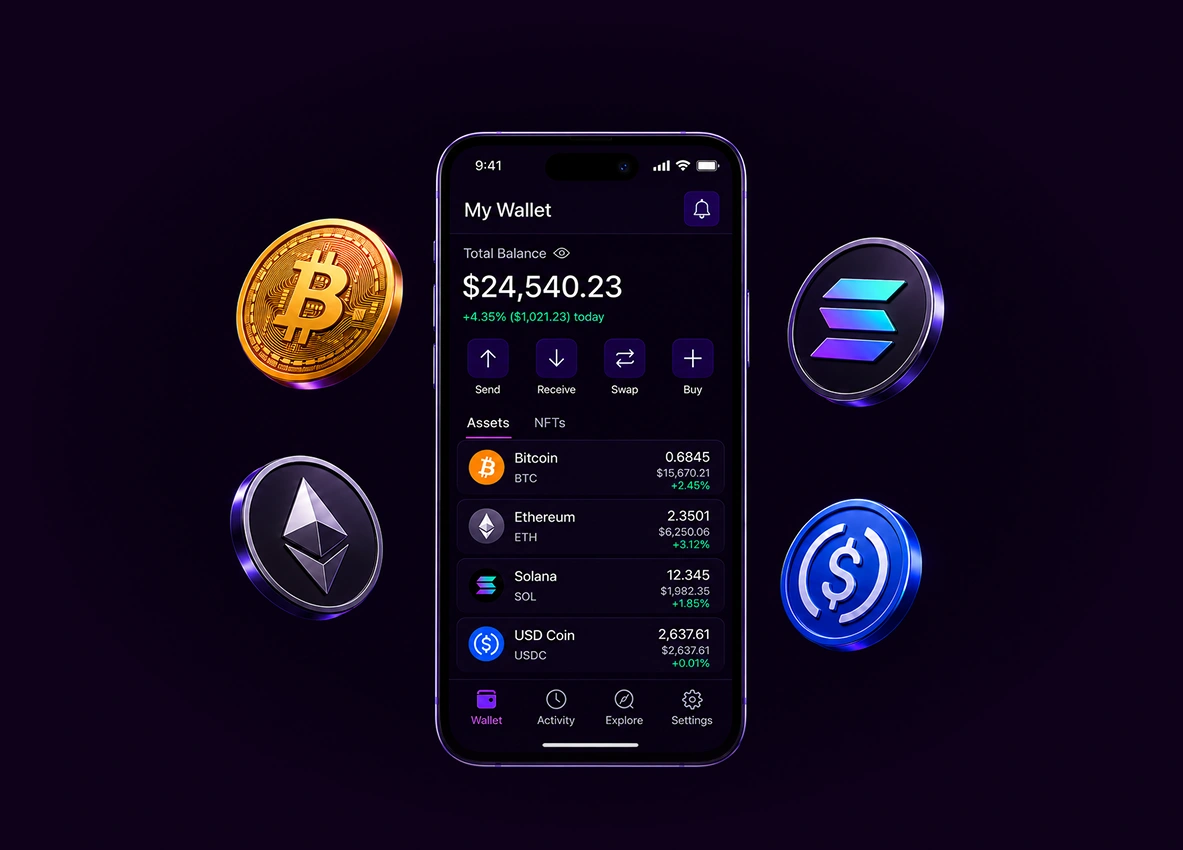











What is a Non-Custodial Wallet?
A non-custodial wallet is a way to store and use crypto where the wallet software does not hold or manage your assets. Instead, it generates and stores access credentials on your device, letting you interact directly with blockchain networks whenever you need to send, receive, or use digital tokens. Each action is signed locally through your wallet before being broadcast to the network, which is why no external service is involved in approving transactions. This setup is commonly used in Web3 applications where users need direct interaction with decentralized protocols and services without relying on centralized infrastructure.
- Keys stored on your device
- Transactions signed locally
- Works with blockchain networks
Why Businesses Adopt Non-Custodial Wallets?
Businesses are adopting non-custodial wallet solutions to shift their focus from asset management to building seamless blockchain-powered user experiences. Instead of acting as custodians, they design systems that connect users directly with decentralized networks, allowing smoother interaction with Web3 applications while keeping platform responsibilities lightweight and focused on performance. This approach also helps companies build more flexible and scalable products. By removing the need to store or secure user funds, teams can simplify backend systems, reduce operational load, and integrate more efficiently across multiple blockchain environments. It supports faster innovation while keeping the product architecture clean and adaptable for future growth.

Reduced Infrastructure Complexity
Simplifies backend systems by removing asset custody layers, allowing businesses to focus on product performance and user experience.

Safer System Architecture Design
Reduces attack surfaces by eliminating stored funds, improving overall platform security and operational reliability across services.

Easier Multi-Chain Integration
Enables smoother connectivity with multiple blockchain networks without restructuring core systems or managing separate custody setups.

Scalable Web3 Product Development
Supports long-term growth by allowing businesses to expand features and users without increasing custody-related operational overhead.
Launch Secure Web3 Wallet Infrastructure
Start BuildingKey Benefits of Non-Custodial Wallet Development
Non-custodial wallet development helps businesses shift from heavy financial infrastructure to smoother Web3 product experiences, enabling faster deployment, easier management, and flexible adaptation across decentralized ecosystems.

Faster Product Deployment
Shortens development cycles by removing complex financial handling layers, helping teams launch Web3 features and updates more quickly and efficiently.

Lower Operational Overhead
Reduces ongoing system maintenance by eliminating asset management responsibilities, allowing teams to focus resources on core product innovation and user experience.

Easier System Scalability
Supports smooth scaling across user growth and blockchain networks without requiring major architectural changes or custody-related infrastructure adjustments.

Simplified Security Management
Decreases exposure points by removing stored-value responsibilities, making overall system security easier to manage and maintain at an infrastructure level.

Better Multi-Chain Adaptability
Enables quicker integration with different blockchain networks, allowing products to expand functionality through proven multi-chain wallet development without redesigning core system architecture.

Improved Product Flexibility
Gives teams freedom to iterate and evolve features faster, supporting continuous improvement without being constrained by custody-related technical dependencies.
How Non-Custodial Wallets Work?
Non-custodial wallets operate as a multi-stage execution system where identity creation, authentication, transaction preparation, and blockchain validation are handled in separate layers.
Key Pair Creation
A cryptographic identity is generated during wallet initialization, allowing the system to uniquely recognize and differentiate users across blockchain environments.
Local Key Storage
Sensitive authentication data is isolated within the user’s device environment, ensuring it is never transmitted or replicated across external systems.
Wallet Setup Process
The onboarding stage establishes a recovery mechanism that allows future re-access through user-held credentials without dependency on centralized recovery services.
Transaction Signing
Before any request is processed externally, the wallet applies an internal authorization check that converts user intent into a verifiable digital signature.
Network Validation
The signed request is processed by distributed validators who independently verify consistency and ensure the transaction meets network rules before inclusion in the ledger.
Web3 Interaction Flow
The wallet functions as a session-based interface layer that connects applications with blockchain services, enabling structured communication between user actions and decentralized protocols.
Our Non-Custodial Wallet Development Services
We deliver production-ready non-custodial wallet development solutions designed for real-world Web3 products, focusing on usability, integration, and scalable deployment.

White-Label Web3 Wallet
Ready-made wallet solution with custom branding, allowing businesses to launch faster without building core wallet infrastructure or backend systems.

Mobile Wallet Application
Native mobile wallet designed for smooth performance, enabling users to manage and interact with Web3 apps on smartphones.

Browser Extension Wallet
Lightweight extension wallet built for seamless browser-based interactions with decentralized applications and Web3 platforms across multiple ecosystems.

Multi-Chain Wallet System
Supports multiple blockchain networks in one interface, enabling access and management across ecosystems that power scalable platforms like a Web3 super app.

DApp Integration SDK
Developer toolkit for embedding wallet functionality directly into decentralized applications, improving onboarding and reducing integration complexity.

Enterprise Wallet Solution
Scalable wallet infrastructure built for organizations requiring structured deployment, system reliability, and controlled operational environments.

Wallet Security Framework
Advanced security architecture leveraging techniques like threshold signatures, MPC wallet development and secure authentication to protect wallet operations and structured transaction validation systems.

API & Backend Integration
Robust APIs enabling seamless connection between wallet systems and existing backend infrastructure for smooth product interoperability.

Custom Wallet Development
Fully tailored wallet solutions built according to specific business requirements, supporting unique product flows and Web3 use cases.
Non-Custodial Wallet Solutions by Use Cases
Non-custodial wallet solutions are applied differently depending on product goals, user behavior, and platform design needs. Each use case reflects a distinct implementation context rather than a single fixed model.

Digital Asset Platforms
Wallet systems built for platforms that allow users to manage, track, and organize digital holdings within a structured interface designed for high-volume activity.
- Portfolio tracking access layer
- Multi-asset visibility support
- Real-time balance overview

Web3 Gaming Ecosystems
Wallet integration designed for game environments where users interact with digital items, rewards, and in-game economies across blockchain-enabled systems.
- In-game asset linking
- Reward economy handling
- Cross-game identity continuity

NFT Marketplace Systems
Wallet frameworks supporting buying, selling, and displaying digital collectibles within marketplaces that require smooth asset interaction and ownership display.
- Marketplace listing access
- Digital collectible display
- Trading workflow support

DeFi Application Interfaces
Wallet solutions integrated with financial protocols where users engage with liquidity systems, yield environments, and decentralized financial tools.
- Protocol interaction gateway
- Yield participation access
- Liquidity action execution

Cross-Border Payment Systems
Wallet infrastructure designed for global value transfer use cases where users transact across regions without traditional financial routing systems.
- International value movement
- Fast settlement routing
- Multi-region compatibility

Tokenized Product Platforms
Wallet systems used in platforms that represent real-world or digital assets as tokens for structured ownership and exchange workflows.
- Asset token mapping
- Digital ownership records
- Exchange-enabled assets
Web3 Wallet
A next-generation Web3 wallet infrastructure that simplifies blockchain interactions through seamless onboarding, secure key management, and intuitive transaction experiences.
- Passwordless wallet onboarding
- Simplified key management
- Seamless cross-chain transactions

Industries Leveraging Non-Custodial Wallet
Non-custodial wallet solutions are adopted across industries building blockchain-based products where digital ownership, transactions, and user interaction need flexible and secure infrastructure.
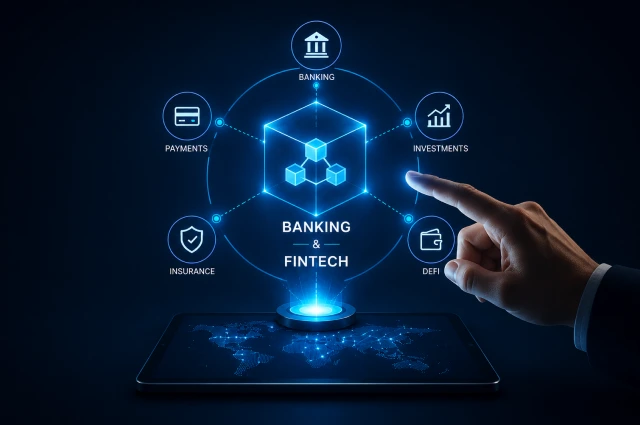
Fintech Companies
Fintech companies integrate wallet systems to support digital asset services, streamline transactions, and build blockchain-enabled financial products that improve customer experience and operational efficiency across modern financial ecosystems.
- Digital finance expansion
- Faster service delivery
- Improved user onboarding

Gaming Industry
Gaming studios use wallet infrastructure to power in-game economies, manage digital assets, and enable players to own, trade, and interact with blockchain-based rewards across immersive gaming environments.
- Asset-based gameplay models
- Player economy integration
- Cross-platform continuity

E-commerce Platforms
E-commerce platforms adopt wallet solutions to enable token-based payments, integrate digital loyalty systems, and support alternative transaction methods that enhance flexibility in online shopping experiences.
- Token payment options
- Digital loyalty systems
- Flexible checkout systems

Investment Firms
Investment firms utilize wallet systems to manage digital portfolios, provide structured access to blockchain assets, and improve transparency in crypto and token-based investment operations for clients.
- Portfolio diversification support
- Real-time asset tracking
- Digital investment access

Media & Entertainment Companies
Media and entertainment businesses use wallet infrastructure to enable content tokenization, creator monetization, and audience engagement models powered by blockchain-based ownership systems and digital value exchange.
- Content monetization models
- Creator revenue systems
- Audience engagement tools

Technology & SaaS Providers
Technology and SaaS companies integrate wallet infrastructure into their platforms to enable blockchain functionality, support Web3 features, and build scalable digital product ecosystems for enterprise and consumer use.
- Embedded blockchain features
- API-driven integration
- Scalable product architecture
Fintech Companies
Fintech companies integrate wallet systems to support digital asset services, streamline transactions, and build blockchain-enabled financial products that improve customer experience and operational efficiency across modern financial ecosystems.
- Digital finance expansion
- Faster service delivery
- Improved user onboarding
Gaming Industry
Gaming studios use wallet infrastructure to power in-game economies, manage digital assets, and enable players to own, trade, and interact with blockchain-based rewards across immersive gaming environments.
- Asset-based gameplay models
- Player economy integration
- Cross-platform continuity
E-commerce Platforms
E-commerce platforms adopt wallet solutions to enable token-based payments, integrate digital loyalty systems, and support alternative transaction methods that enhance flexibility in online shopping experiences.
- Token payment options
- Digital loyalty systems
- Flexible checkout systems
Investment Firms
Investment firms utilize wallet systems to manage digital portfolios, provide structured access to blockchain assets, and improve transparency in crypto and token-based investment operations for clients.
- Portfolio diversification support
- Real-time asset tracking
- Digital investment access
Media & Entertainment Companies
Media and entertainment businesses use wallet infrastructure to enable content tokenization, creator monetization, and audience engagement models powered by blockchain-based ownership systems and digital value exchange.
- Content monetization models
- Creator revenue systems
- Audience engagement tools
Technology & SaaS Providers
Technology and SaaS companies integrate wallet infrastructure into their platforms to enable blockchain functionality, support Web3 features, and build scalable digital product ecosystems for enterprise and consumer use.
- Embedded blockchain features
- API-driven integration
- Scalable product architecture
Build Wallet Infrastructure For Your Industry
Start Your Wallet ConsultationStructured Non-Custodial Wallet Build Workflow
The development approach is structured around how a non-custodial wallet is actually shaped, connected, and prepared for real user environments across Web3 systems.

Product Logic Structuring
We begin by defining how the wallet should behave inside real user journeys and blockchain interactions. This ensures the system is shaped around usage, not assumptions.
System Structure & Integration
Core wallet components are engineered and connected with required blockchain networks and application layers. The focus is on stable coordination between interfaces and decentralized environments


Stability Review & Deployment Readiness
The complete system is evaluated in real-world conditions to ensure consistent performance and safe operation. Final adjustments prepare it for controlled production release.
Why Choose Techfyte for Non-Custodial Wallet Development
We focus on building production grade wallet systems designed for real users, real traffic, and real blockchain environments rather than conceptual templates.

Product First Engineering Mindset
We design wallets around real product behavior instead of generic blockchain structures. This keeps the solution aligned with actual user journeys and practical business requirements without unnecessary complexity.

Multi Environment Delivery Experience
Our team has worked across different blockchain ecosystems and deployment contexts, which helps ensure smoother adaptation when scaling or integrating with new networks.

Lifecycle Ownership Approach
We remain involved across the full development cycle from initial design to post deployment stability. This helps maintain consistency and ensures the system performs reliably in real usage conditions.