Enterprise Decision Support Systems That Reduce Uncertainty
Modern decision making needs more than dashboards. Our systems deliver predictive and prescriptive intelligence that helps leaders evaluate uncertainty and act with clarity.
- Predict future outcomes
- Reduce enterprise risk
- Enable smarter actions











What Is Complex Decision Support Systems Development?
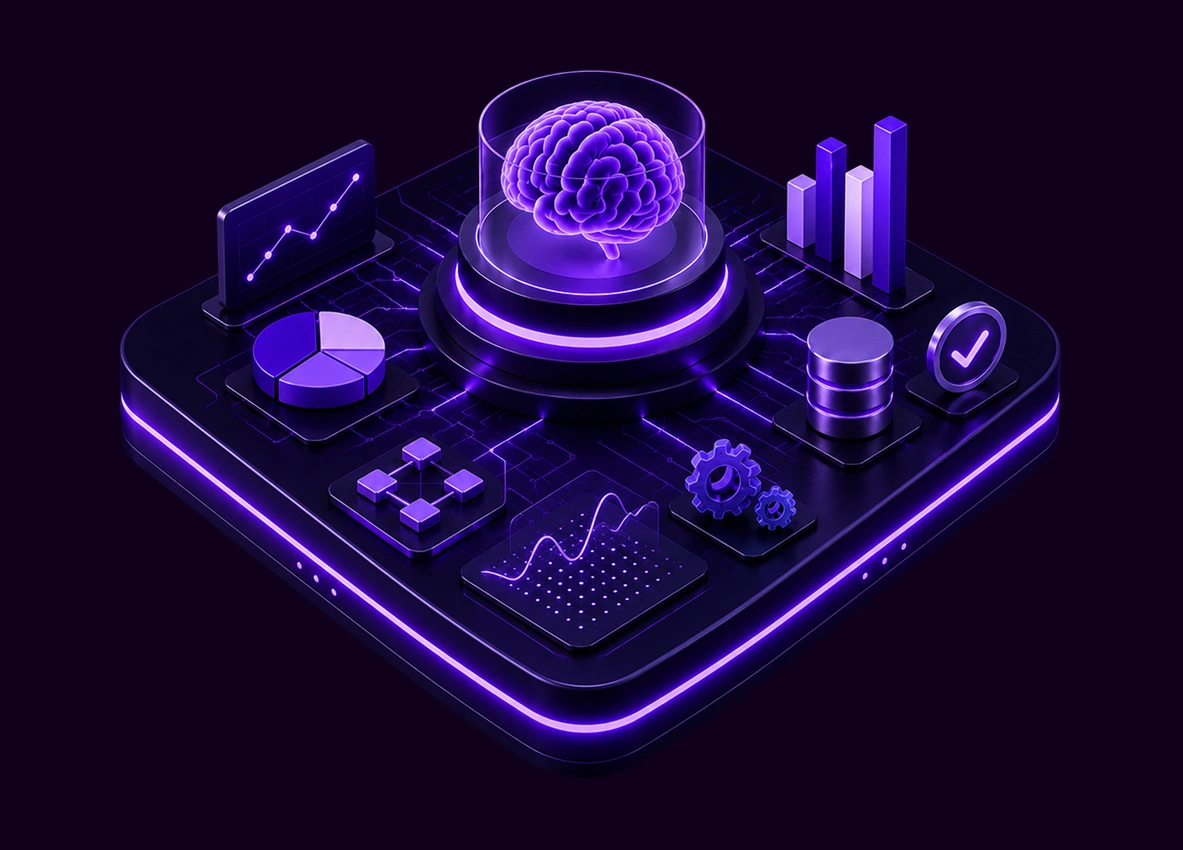
Complex decision support systems development helps organizations navigate situations where variables change quickly and decisions carry real consequences. Rather than relying on static reports or historical analysis, these systems are built to support live choices by accounting for uncertainty, constraints, and interdependencies across the business. Powered by AI-driven decision-making, this approach brings together real-time data, intelligent models, neuro-symbolic AI systems, and adaptive logic. Through AI decision support system development and multi-agent decision systems, enterprises can anticipate outcomes and understand how different actions interact. Predictive decision support software reveals what is likely to happen next, while prescriptive analytics systems translate those insights into clear, actionable recommendations that support intelligent enterprise operations.
- Anticipate complex outcomes
- Anticipate complex outcomes
- Guide optimal actions
Why Complex Decision Support Systems are Essential in Modern Business?
Modern businesses operate in environments shaped by volatility, interdependence, and rapid change. As complexity grows, intuition alone struggles to keep pace. Decisions increasingly involve multiple variables, competing objectives, and real consequences. Complex decision support systems provide a structured way to evaluate options objectively, helping organizations replace reactive judgment with informed, repeatable decision processes. This shift creates consistency across teams and accountability at every decision point. With this foundation, leaders gain clearer visibility into trade offs and consequences before committing resources. Teams collaborate around shared insight instead of fragmented opinions. Over time, organizations respond faster, plan with confidence, and adapt strategies without constant rework, enabling sustainable growth while maintaining control in uncertain conditions. This capability supports long term resilience and execution across complex enterprise wide decision landscapes at scale globally today.

Operational Risk Reduction
Reduce operational risk by identifying dependencies early, stress testing scenarios continuously, and responding faster before issues escalate across critical processes.

Decision Accuracy Improvement
Improve decision accuracy using consistent data signals, contextual intelligence, and objective comparisons that remove bias from high impact business choices.

Resource Allocation Optimization
Optimize resource allocation by aligning capital, talent, and time with priorities that deliver measurable value under real world constraints today.

Strategic Planning Acceleration
Accelerate strategic planning through faster scenario evaluation, clearer trade offs, and shared insight that shortens cycles without sacrificing direction alignment.
How Complex Decision Support Systems Work?
A high precision intelligence framework that integrates data, models, and simulations to transform enterprise inputs into structured, actionable, real time decision guidance across operations.
Data Integration Layer
Uses data integration capabilities and can support federated learning services for privacy-preserving distributed model training across enterprise systems.
Intelligent Processing Core
Applies advanced AI models to structure and interpret incoming data, identifying hidden patterns, dependencies, and operational signals within complex enterprise environments.
Predictive Analytics Engine
Runs real time predictive analytics to forecast outcomes, detect risks early, and support proactive planning across dynamic business conditions and scenarios.
Scenario Simulation Layer
Enables AI driven scenario simulation to test multiple business strategies, evaluate constraints, and compare potential outcomes before execution decisions are made.
Multi Agent Coordination
Uses multi-agent coordination for enterprise decisions, increasingly powered by AI agent infrastructure enabling autonomous orchestration across systems.
Execution Optimization Layer
Delivers prescriptive and predictive decision making outputs that guide actions, enable automated resource prioritization, and continuously improve operational optimization systems.
Core Features of Decision Support Systems
Advanced capability set that enables enterprises to process real time data, simulate outcomes, and generate intelligent, actionable decisions across complex operational and strategic environments.

Real Time Analytics
Processes continuous enterprise data streams to deliver immediate insights, enabling faster awareness of changing conditions and supporting timely operational responses across systems.

Forward Looking Models
Uses advanced analytical models to anticipate outcomes, identify emerging risks early, and support proactive planning across evolving business environments.

Scenario Simulation Software
Enables structured simulation to evaluate multiple strategic paths, compare potential outcomes, and understand consequences before decisions are executed.

Risk Assessment Platforms
Continuously evaluates operational and strategic risks using contextual intelligence, helping organizations identify vulnerabilities and respond before disruptions escalate.

Multi Agent Coordination
Supports coordinated systems where multiple agents collaborate, balance objectives, and optimize outcomes across interconnected business functions.

Automated Resource Optimization
Enables intelligent allocation of capital, time, and talent through adaptive systems that prioritize resources based on impact, constraints, and shifting priorities.
Turn Complexity Into Clear Action
Get Decision ClarityOur CDSS Development Services
We design tailored decision systems that align with enterprise goals, combining structured data, intelligent modeling, and operational workflows to support precise, scalable, high impact business decisions.

Strategy System Design
Builds foundational decision frameworks aligned with business goals, ensuring structured logic, data alignment, and measurable outcomes across enterprise decision making processes.

Custom CDSS Architecture
Designs tailored decision system architectures that integrate seamlessly with enterprise infrastructure, supporting scalable intelligence and adaptable operational workflows across departments.

Enterprise Data Integration
Connects fragmented enterprise data sources into a unified decision layer, ensuring consistent, reliable, and context rich information for strategic decision making.

Predictive Insight Systems
Develops forecasting models that identify patterns, risks, and opportunities early, enabling proactive planning and stronger business foresight across operations.

Scenario Simulation Platforms
Creates simulation environments that allow businesses to test strategic decisions, evaluate outcomes, and reduce uncertainty before execution in real conditions.

Decision Intelligence Engines
Builds structured intelligence layers that convert raw data into clear recommendations, supporting faster, more consistent enterprise level decision making.
Risk Modeling Solutions
Implements structured risk evaluation systems that identify vulnerabilities, assess impact scenarios, and support informed mitigation strategies across business operations.

Workflow Optimization Systems
Designs intelligent workflows that streamline decision processes, reduce inefficiencies, and improve coordination across teams and operational functions.

Resource Allocation Systems
Develops systems that optimize distribution of capital, workforce, and time based on priorities, constraints, and evolving enterprise requirements.

Executive Decision Dashboards
Builds high level dashboards that present critical insights in a clear format, enabling leadership teams to act quickly with confidence.
Industry Applications for Advanced Decision Systems
Modern enterprises across sectors use decision systems to reduce uncertainty, improve coordination, and strengthen execution in environments where speed, accuracy, and structured insight directly impact performance and outcomes.

Banking Risk Intelligence
Financial institutions use decision systems to evaluate credit exposure, detect early warning signals, and strengthen portfolio stability. These systems improve risk visibility across lending operations, trading activity, and customer portfolios while supporting faster, more confident financial decisions.
- Credit exposure monitoring
- Fraud pattern detection
- Portfolio risk balancing

Healthcare Operations Systems
Hospitals and healthcare networks use decision systems to manage patient flow, optimize resource allocation, and improve clinical scheduling. These systems help reduce operational delays, improve care coordination, and support faster response decisions across departments and critical care units.
- Patient flow optimization
- Emergency resource planning
- Treatment scheduling efficiency

Manufacturing Optimization Control
Manufacturing enterprises apply decision systems to improve production planning, minimize downtime, and balance supply chain constraints. These systems enhance visibility across production lines and support faster adjustments to changing demand, inventory levels, and operational disruptions.
- Production scheduling alignment
- Supply chain balancing
- Downtime reduction planning

Retail Demand Planning
Retail organizations use decision systems to forecast demand, manage inventory, and optimize pricing strategies. These systems improve responsiveness to market changes while reducing overstocking and stockout risks across multiple store locations and digital sales channels.
- Inventory demand forecasting
- Dynamic pricing adjustment
- Stock level optimization

Energy Grid Management
Energy providers use decision systems to balance load distribution, forecast consumption patterns, and maintain grid stability. These systems help manage fluctuating demand while improving reliability and reducing operational inefficiencies across large-scale infrastructure networks.
- Load balancing control
- Consumption pattern forecasting
- Grid stability monitoring

Logistics Network Optimization
Logistics and supply chain companies use decision systems to optimize routing, manage fleet operations, and reduce delivery delays. These systems enhance coordination across transportation networks and improve responsiveness to real-time operational disruptions and demand shifts.
- Route optimization planning
- Fleet utilization efficiency
- Delivery delay reduction
Banking Risk Intelligence
Financial institutions use decision systems to evaluate credit exposure, detect early warning signals, and strengthen portfolio stability. These systems improve risk visibility across lending operations, trading activity, and customer portfolios while supporting faster, more confident financial decisions.
- Credit exposure monitoring
- Fraud pattern detection
- Portfolio risk balancing
Healthcare Operations Systems
Hospitals and healthcare networks use decision systems to manage patient flow, optimize resource allocation, and improve clinical scheduling. These systems help reduce operational delays, improve care coordination, and support faster response decisions across departments and critical care units.
- Patient flow optimization
- Emergency resource planning
- Treatment scheduling efficiency
Manufacturing Optimization Control
Manufacturing enterprises apply decision systems to improve production planning, minimize downtime, and balance supply chain constraints. These systems enhance visibility across production lines and support faster adjustments to changing demand, inventory levels, and operational disruptions.
- Production scheduling alignment
- Supply chain balancing
- Downtime reduction planning
Retail Demand Planning
Retail organizations use decision systems to forecast demand, manage inventory, and optimize pricing strategies. These systems improve responsiveness to market changes while reducing overstocking and stockout risks across multiple store locations and digital sales channels.
- Inventory demand forecasting
- Dynamic pricing adjustment
- Stock level optimization
Energy Grid Management
Energy providers use decision systems to balance load distribution, forecast consumption patterns, and maintain grid stability. These systems help manage fluctuating demand while improving reliability and reducing operational inefficiencies across large-scale infrastructure networks.
- Load balancing control
- Consumption pattern forecasting
- Grid stability monitoring
Logistics Network Optimization
Logistics and supply chain companies use decision systems to optimize routing, manage fleet operations, and reduce delivery delays. These systems enhance coordination across transportation networks and improve responsiveness to real-time operational disruptions and demand shifts.
- Route optimization planning
- Fleet utilization efficiency
- Delivery delay reduction
Explore Industry Decision Use Cases
Request Industry DemoDecision Support Systems Development Approach
A structured professional decision support software development lifecycle that converts enterprise decision challenges into engineered systems through disciplined design, modeling, integration, validation, and deployment stages.

Requirement Discovery Phase
We gather business objectives, decision challenges, and operational constraints. This phase focuses on defining scope clearly and aligning expectations before system design begins.
System Architecture Design
The team defines scalable system structure, including data flow, decision layers, and integration points. Systems are engineered to ensure stability, security, and enterprise alignment.


Model Development Phase
We build analytical models for forecasting, decision logic, and production deployment using AI deployment models serving in enterprise systems.
System Integration Phase
Data sources, models, and workflows are connected into a unified system. Systems are engineered to ensure seamless communication and consistent decision outputs across enterprise functions.


Testing Validation Phase
This phase focuses on evaluating system accuracy, performance, and reliability under real-world conditions. The system is validated to ensure stable outputs and reduced operational risk.
Deployment Optimization Phase
We deploy the system into production environments. Ongoing optimization ensures performance refinement based on usage patterns and evolving enterprise operational needs.

Why Choose Us as Custom CDSS Development Company?
Techfyte builds enterprise decision systems designed for complexity at scale. As an enterprise decision support system provider, we combine deep systems thinking with disciplined engineering to turn uncertainty into structured, high confidence decision intelligence.

Specialized CDSS Focus
We work exclusively within complex decision systems, giving us a depth of understanding that generalist developers cannot replicate in enterprise scale environments.

Full Lifecycle Ownership
We handle the complete professional decision support software development lifecycle, from system design to deployment, ensuring consistency, control, and architectural integrity throughout execution.

Precision Built Systems
As a custom CDSS development company, we design systems that align tightly with enterprise logic, delivering reliable outputs that improve decision accuracy and operational clarity.