



Why Centralized Messaging Platforms No Longer Meet Modern Privacy Expectations
Digital communication has evolved quickly, but the basic architecture of most messaging platforms has remained essentially centralized. Despite advances in encryption and usability, most platforms still rely on central servers to manage data and communication flows. This creates several fundamental challenges
Centralized Control of Data
Traditional message services keep files, data and user communications on central servers. This architecture creates risks like surveillance, illegal access and large scale data breaches.
Privacy as a Growing User Expectation
Users increasingly expect privacy by default. Encryption is not sufficient when the routing, storage, and metadata are owned by a single entity.
Trust Dependency on Platform Providers
Users of centralized platforms are required to trust service providers with sensitive conversations, identification data, and communication history, and that trust is often violated.
Scalability Without Compromising Security
Secure communication systems must scale across networks and devices without compromising on encryption integrity, performance and dependability.
The result?
These realities left a huge gap between what users expected from private communication tools and what most popular platforms could actually offer. Users increasingly demanded privacy, transparency, and control over their data, while mainstream solutions remained limited by centralized architectures and trust-based models.
When Secure Communication Meets Architectural Limitations
Building a decentralized communication platform goes far beyond adding encryption to a messaging app. It requires redesigning how messages are routed, stored, and secured without relying on centralized infrastructure. Mejhool had to overcome several technical challenges while maintaining a smooth and reliable user experience.
Eliminating Central Servers
Most messaging platforms depend on centralized servers to route messages and manage communication sessions. Removing this dependency introduced complexity around message delivery, reliability, and availability. Messages and calls had to reach recipients consistently across networks and devices without delays or failures, even in a decentralized environment.
Ensuring End-to-End Encryption Across Channels
Text messages, voice calls, video communication, and file sharing all needed strong end-to-end encryption. The challenge was to apply this level of security uniformly without impacting performance or usability. Encryption had to work seamlessly in the background while ensuring that only intended participants could access the communication.
Supporting Real-Time Communication
Real-time audio and video calls typically rely on centralized signaling infrastructure. In a decentralized system, maintaining call quality, low latency, and stable connections required a different approach. Mejhool needed to enable smooth real-time communication without routing sensitive data through central servers.
Managing Data Securely on User Devices
With no central storage layer, messages and files had to be stored locally on user devices. This created challenges around secure storage, fast access, and efficient handling of conversation history and media files while minimizing exposure to unauthorized access.
Simplifying Secure User Authentication
Decentralized platforms often struggle with complex onboarding and identity management. Mejhool needed an authentication method that aligned with decentralized identity principles while remaining intuitive for users. The goal was to provide secure access without traditional credentials or unnecessary friction.
The bottom line
These limitations didn’t merely affect usability; they imposed fundamental limits on how much communication volume could be handled securely, while increasing exposure to surveillance, data breaches, and systemic failure as platforms scaled.
The Solution: Designing a Decentralized Privacy-First Communication Platform
Techfyte designed and developed Mejhool as a fully decentralized communication platform built around privacy, security, and user control. Every part of the system was carefully designed to remove centralized dependencies while preserving the performance and usability users expect from modern messaging apps.
Step 1
Decentralized Network Architecture
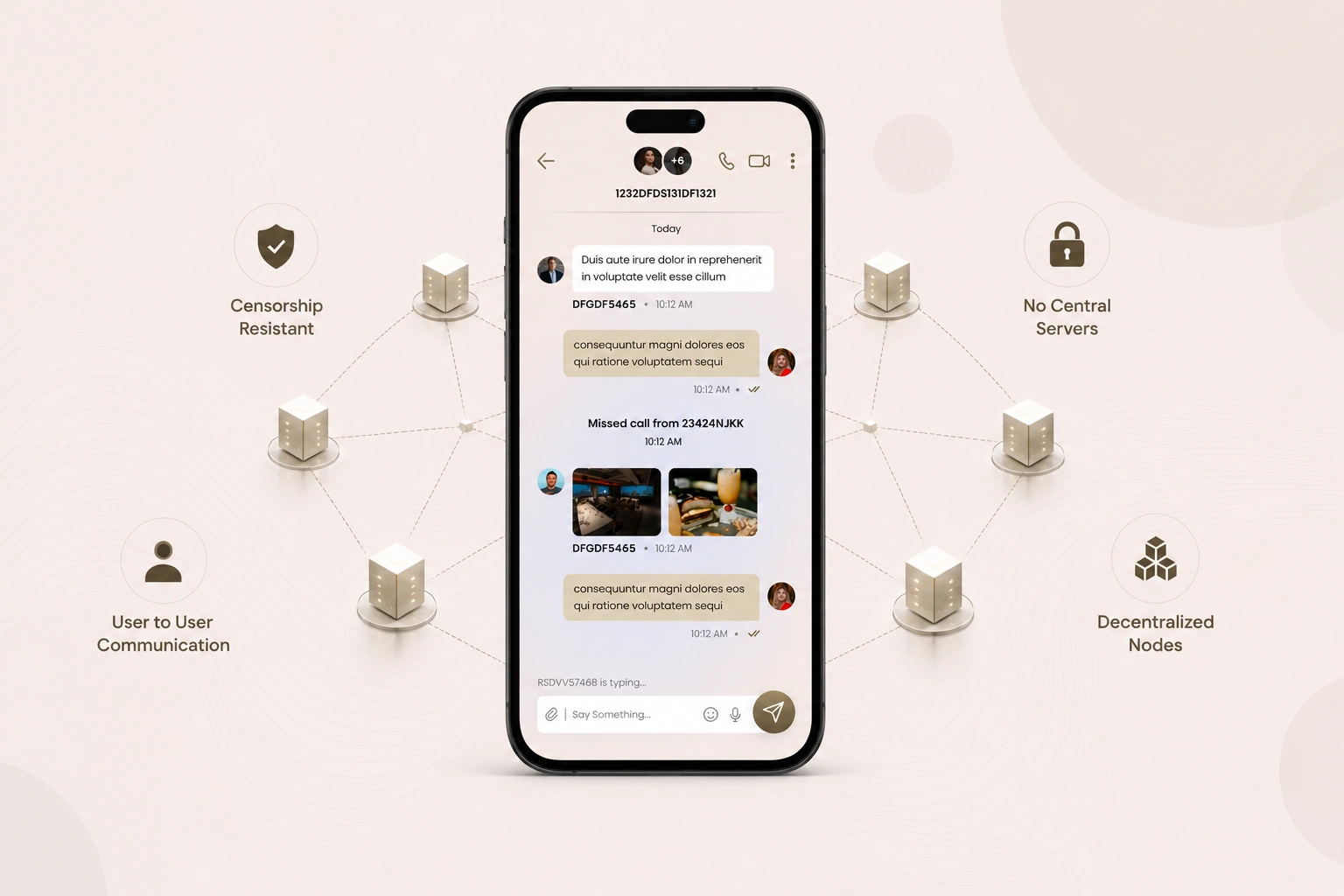
Mejhool is built on decentralized communication protocols that remove reliance on central servers. Messages are routed across decentralized nodes and directly between users, reducing single points of failure and ensuring the platform remains resilient, censorship-resistant, and reliable.
Step 2
End-to-End Encryption by Design
Security is embedded into the core of the platform. All text messages, voice calls, video calls, and shared files are protected with end-to-end encryption. Only the intended participants can access the content, ensuring conversations remain private and inaccessible to third parties.

Step 3
Real-Time Voice and Video Communication
Mejhool enables high-quality audio and video calls using peer-to-peer communication technology. Calls are established directly between users, maintaining low latency and clear communication without routing sensitive data through centralized infrastructure.

Step 4
Secure Local Data Storage
Instead of storing messages on central servers, Mejhool keeps conversation data securely on user devices. This approach improves privacy, reduces exposure risks, and ensures faster access to message history while maintaining strong security controls.

Step 5
Wallet-Based Authentication
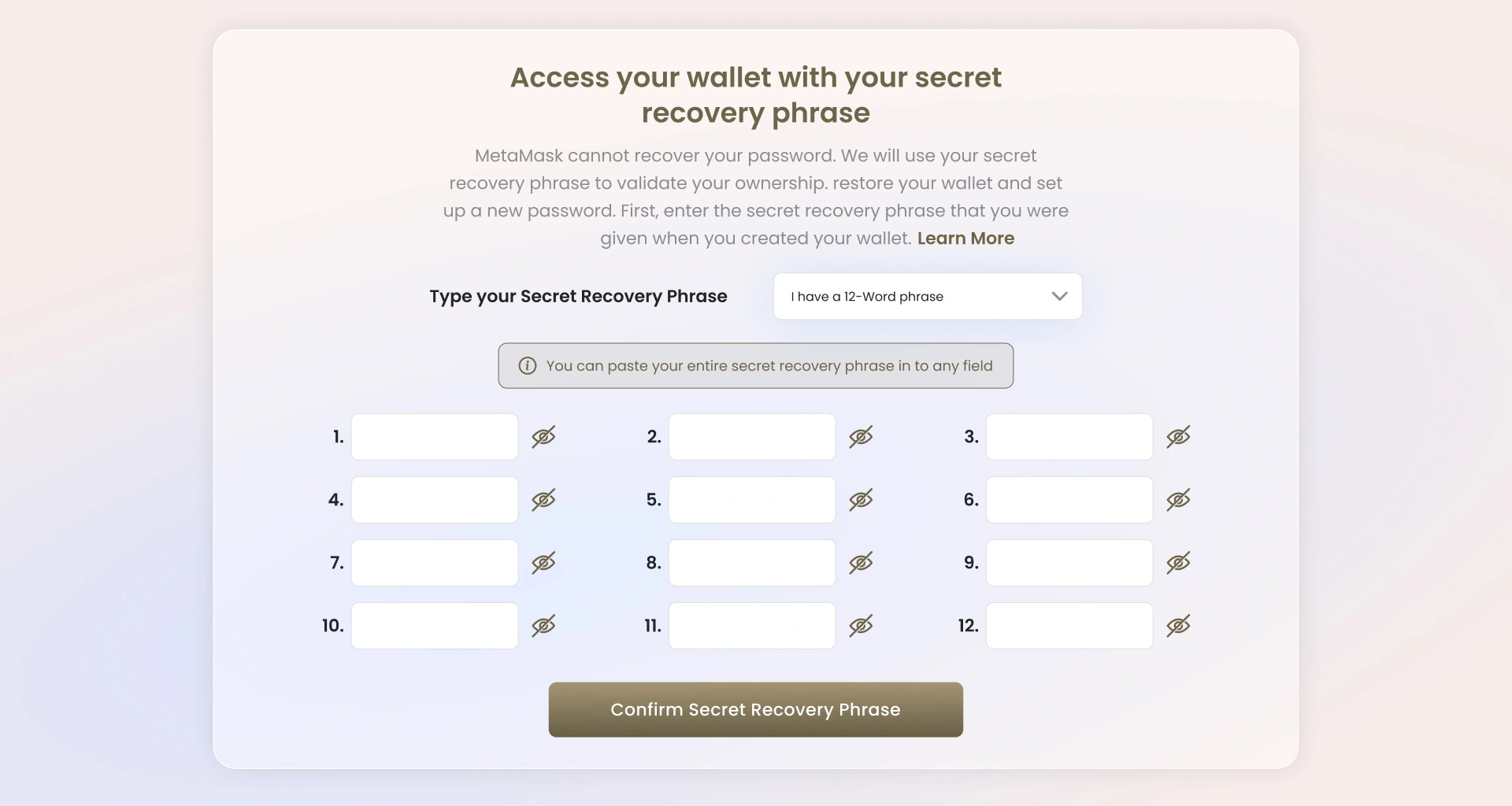
User access is managed through wallet-based authentication, aligning with decentralized identity principles. This removes the need for traditional usernames and passwords while providing a secure and seamless login experience.
Step 6
Peer-to-Peer File Sharing
Files are shared directly between users through peer-to-peer connections. This eliminates reliance on third-party storage services and ensures files remain private, encrypted, and accessible only to intended recipients.

Step 7
Group and Community Communication
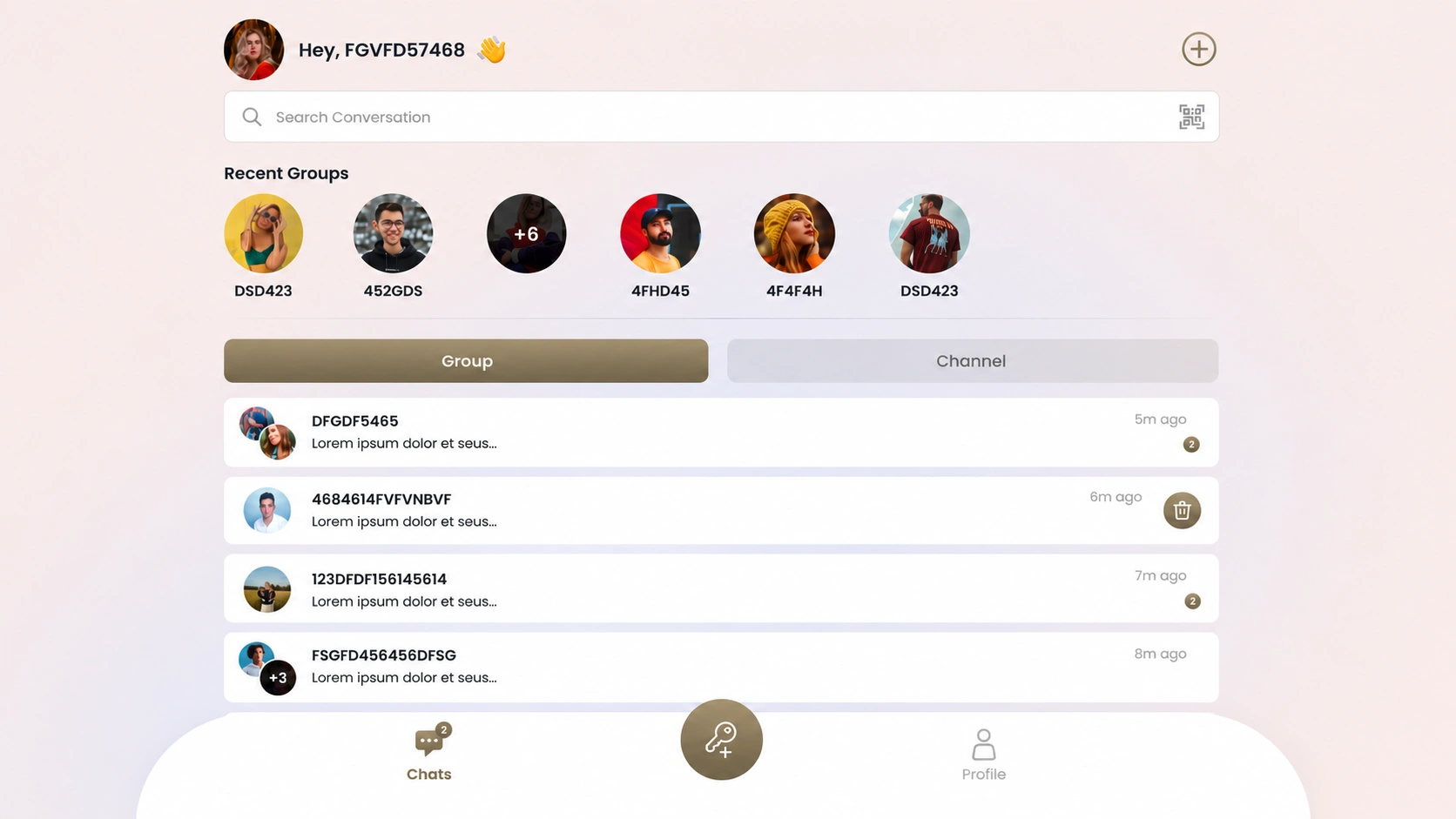
Mejhool supports both private and public groups, enabling secure collaboration and community interaction. Flexible group controls allow users to manage access, participation, and privacy settings while maintaining decentralized communication standards.
Step 8
Advanced Privacy Controls
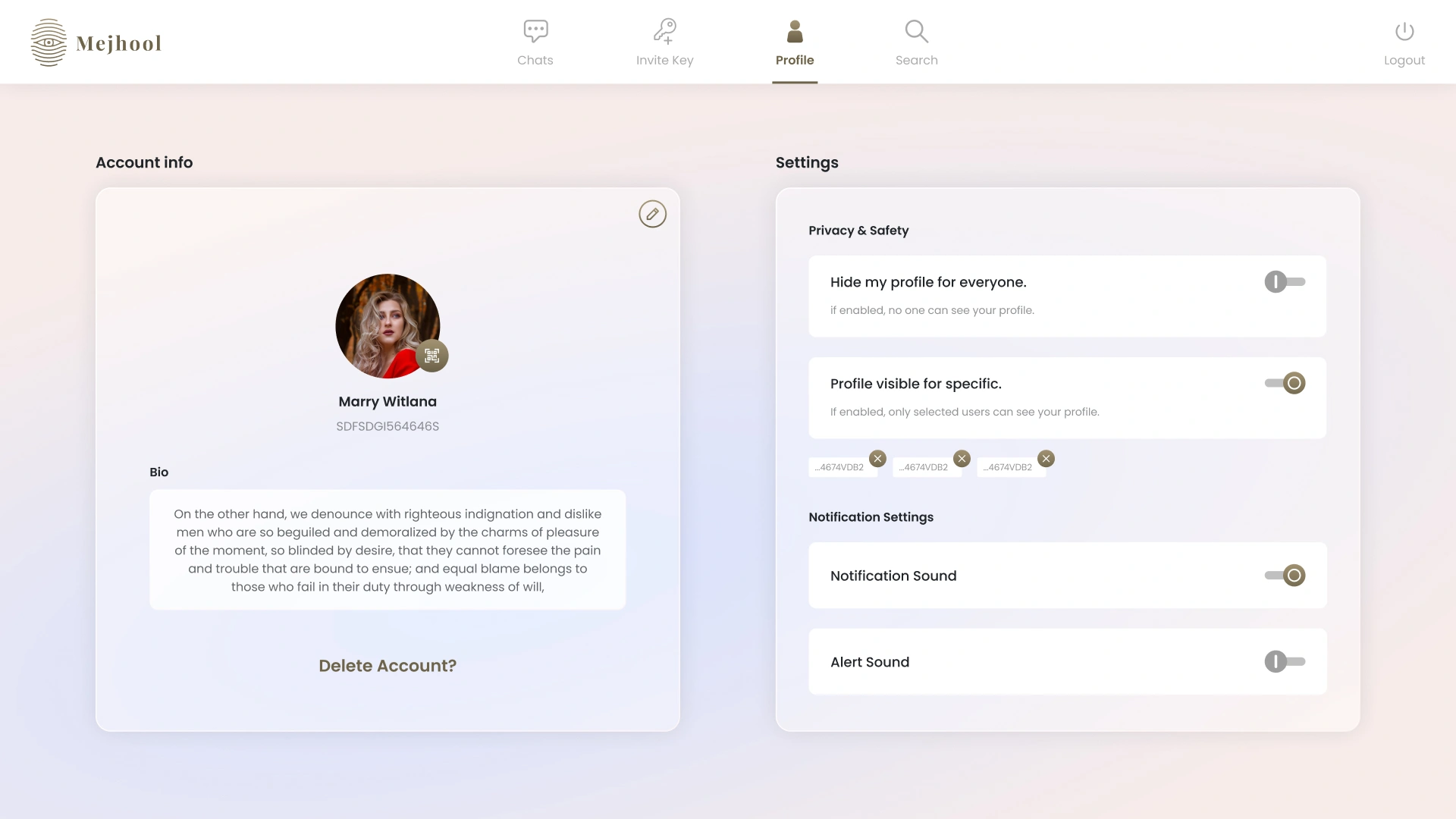
Users have full control over their communication footprint through features like disappearing messages and customizable group settings. These tools allow users to manage how long content remains available and who can access it.
Architecture & Development Framework
Mejhool was built using a modern technology stack designed to support decentralized networking, encryption, and cross-platform performance.

Figma
UI/UX Design

React
Frontend (Web)

Android Studio
Mobile Development

Node.js
Backend Logic

WatermelonDB (local-first storage)
Database

Waku
Decentralized Protocols

Selenium
QA & Testing
Measurable Improvements in Secure Communication
Techfyte assessed Mejhool’s impact by measuring performance, security, and user control before and after replacing centralized messaging infrastructure with a decentralized communication model.
Real-World Value of Privacy-First Communication
Decentralized communication is not just a technological shift. It is fundamentally changing how people and companies manage risk, protect their data, and communicate with confidence in an increasingly monitored digital environment.
Privacy-Focused Individuals
Communicate without being monitored, profiled or tracked. Calls, shared files and messages are all private by design.
Web3 and Decentralized Communities
Mejhool is compatible with Web3 and blockchain ecosystems that are built around user ownership and decentralization. Access with a wallet enables trustless, identity-first communication.
Remote and Distributed Teams
Teams can collaborate securely using file sharing, voice, video and encrypted messaging, and they do not require central supervision.
Businesses and Organizations
Decentralized communication and secure data processing reduces risk of data breaches and compliance risks.
Closing Thoughts
Mejhool removes reliance on centralized messaging infrastructure and places privacy, security, and data ownership back in the hands of users, enabling a safer and more transparent way to communicate.
Powered by decentralized protocols and strong end-to-end encryption, Mejhool includes features such as peer-to-peer messaging, secure voice and video calls, wallet-based authentication, local data storage, group communication, and advanced privacy controls.
Mejhool helps users and organizations to:
-
 Communicate privately without surveillance, tracking, or data harvesting.
-
Protect messages, calls, and shared files with end-to-end encryption.
-
Collaborate securely through peer-to-peer voice, video, and file sharing.
-
Reduce exposure to centralized data storage and security risks.
-
Maintain control over communication data across devices and platforms.