


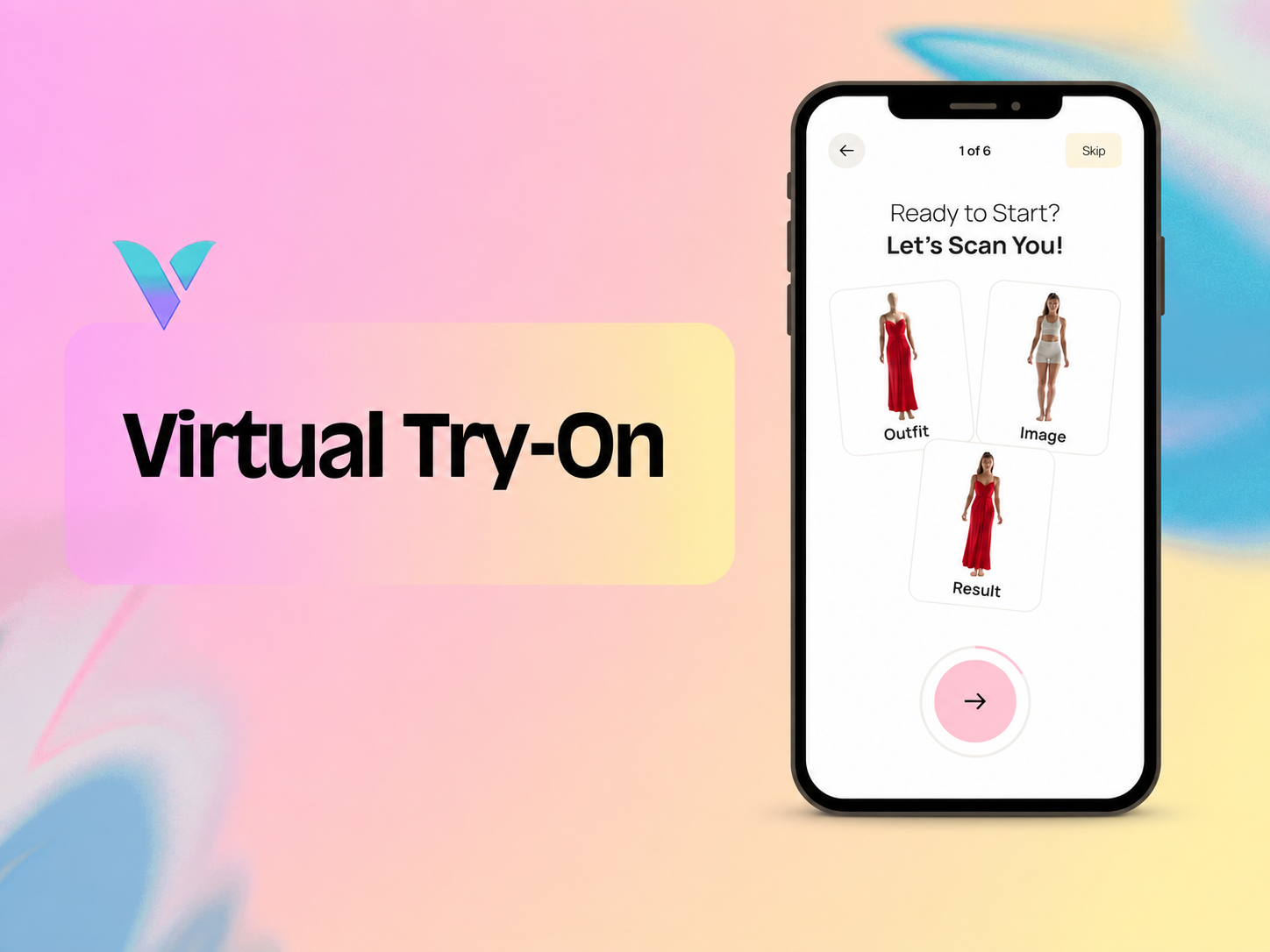
The Fashion Experience Challenges Limiting Confident Purchase Decisions
Fashion is at the confluence of technology, convenience and personal expression. The online purchasing experience is still marked by inefficiency and uncertainty, even though it has grown. There are several structural realities that define the current fashion-shopping landscape
Visualization Gaps
It’s a common issue for customers to not be able to imagine how the clothing will look on their body without physically trying it on. Static product images do not accurately portray real-world fit, leading to hesitation and abandoned purchases.
Inconsistent Sizing Across Brands
The big difference in sizing standards among different brands creates confusion and frustration. Wrong sizes, returns and a dip in confidence in online fashion platforms are often a reality for shoppers.
Overwhelming Choice and Limited Guidance
Users have unlimited options but are unable to get personalized styling help. In the absence of tailored recommendations, decision fatigue is a typical challenge.
Time Constraints and Convenience Needs
Most users don’t have the time to try on ensembles and search around different sites. Consumers want quicker, more instinctive ways to discover style.
The result?
The end result is a fashion experience that requires confidence, customization and speed but is still hampered by antiquated presentation and discovery tools. The platform makes it difficult to make decisions and lowers confidence when shopping for clothes online as users have to guess, view static images and navigate fragmented platforms.
When Traditional Fashion Platforms Reach Their Limits
As fashion commerce transitioned to the digital world, existing platforms failed to offer the trust, transparency and customization of in-store buying. The static product displays and disconnected experiences left users confused, while the sellers were not able to realistically showcase their products. Virtufy faced 5 core challenges that were directly limiting user engagement, purchase confidence and platform scalability.
The Outfit Visualization Bottleneck
Before, users couldn’t reliably see what a piece of clothing would look like on their own body before they bought it. Real fit, fabric behavior and body variation were not accurately represented by traditional product images and generic models. This absence of real visualization increased anxiety among customers and diminished their trust in purchases.
The Sizing Confidence Problem
The confusion and frustration consumers found themselves in was brought about by inconsistent sizing standards across brands. Without a clear way to determine how a particular garment would fit their body type, people often bought things that didn't fit. Uncertainty led to a decline in trust in online fashion platforms and an increase in return rates.
The Styling Decision Gap
Shoppers could not get personalized advice based on their tastes, body shape, wardrobe and the occasions they intended to attend. Hence, users either abandoned their choices completely or spent more time experimenting with combinations. The lack of intelligent styling support made the experience of buying mentally more taxing and slower.
The Marketplace Trust Barrier
Sellers had a difficult time presenting their products in a way that could demonstrate real world fit, look and usability. Buyers were reluctant to buy when they could not see items in a real way for example if they were worn or styled. This reduced trust level had an effect on the performance of sellers and the conversion rate in the marketplace.
The Fragmented Fashion Experience
Wardrobe management, styling tools, shopping and social networking all occurred on different platforms and applications. Users experienced disconnected workflows, re-entering data and bouncing between tools. The result was friction and an inability to dedicate oneself to a platform for the long haul.
The bottom line
Together, these defied reduced confidence, blocked decision-making and limited the scalability of fashion marketplaces. As the uncertainty among users increased, platforms could not provide consistent engagement, conversion and long-term retention.
The Solution: Developing a Smarter Fashion Commerce Platform
Techfyte built Virtufy as a full fashion ecosystem, which includes virtual try-on, wardrobe management, personalized styling and marketplace engagement. At the heart of the platform is the goal to improve the user experience and build confidence, clarity and discovery throughout the fashion journey.
Step 1
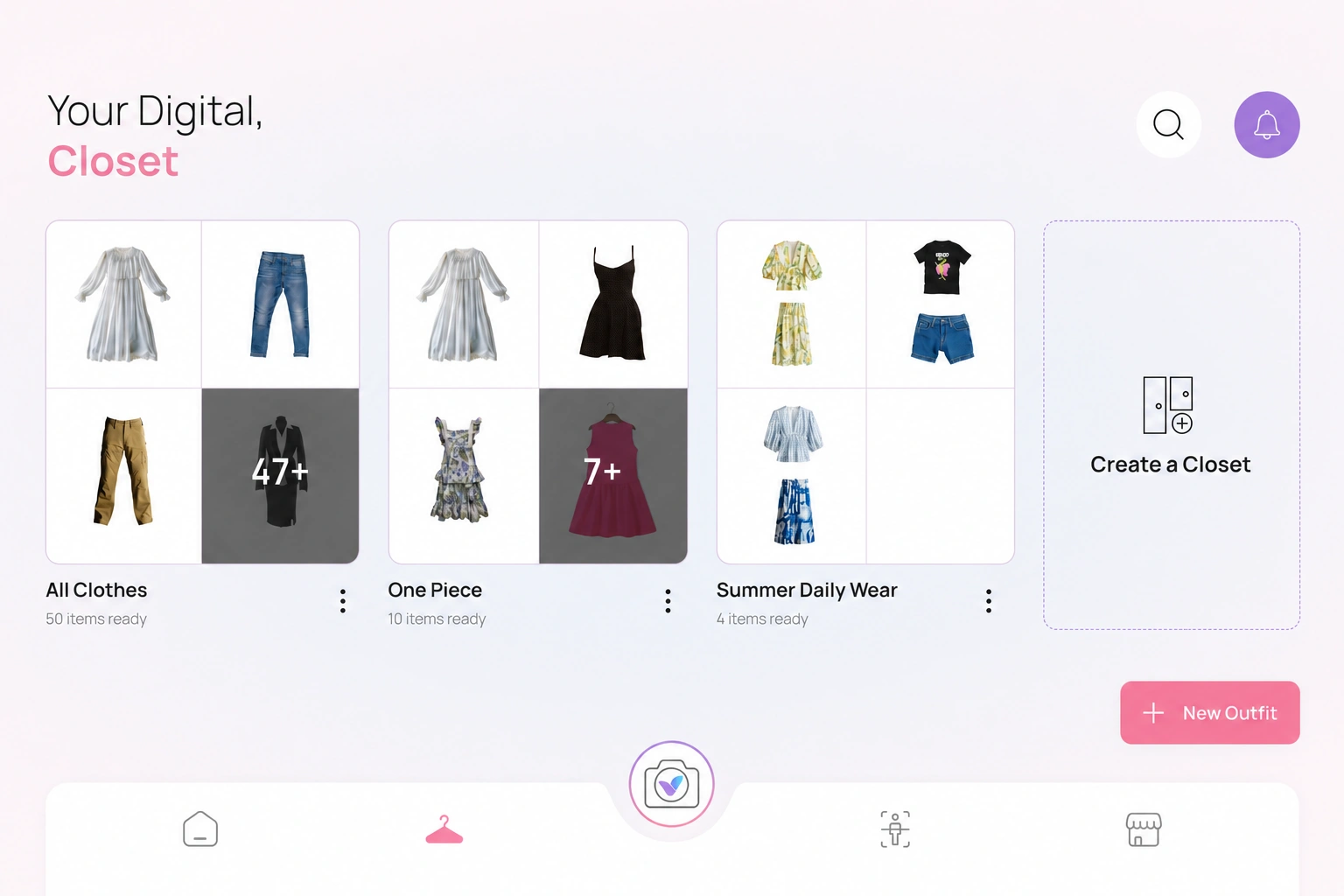
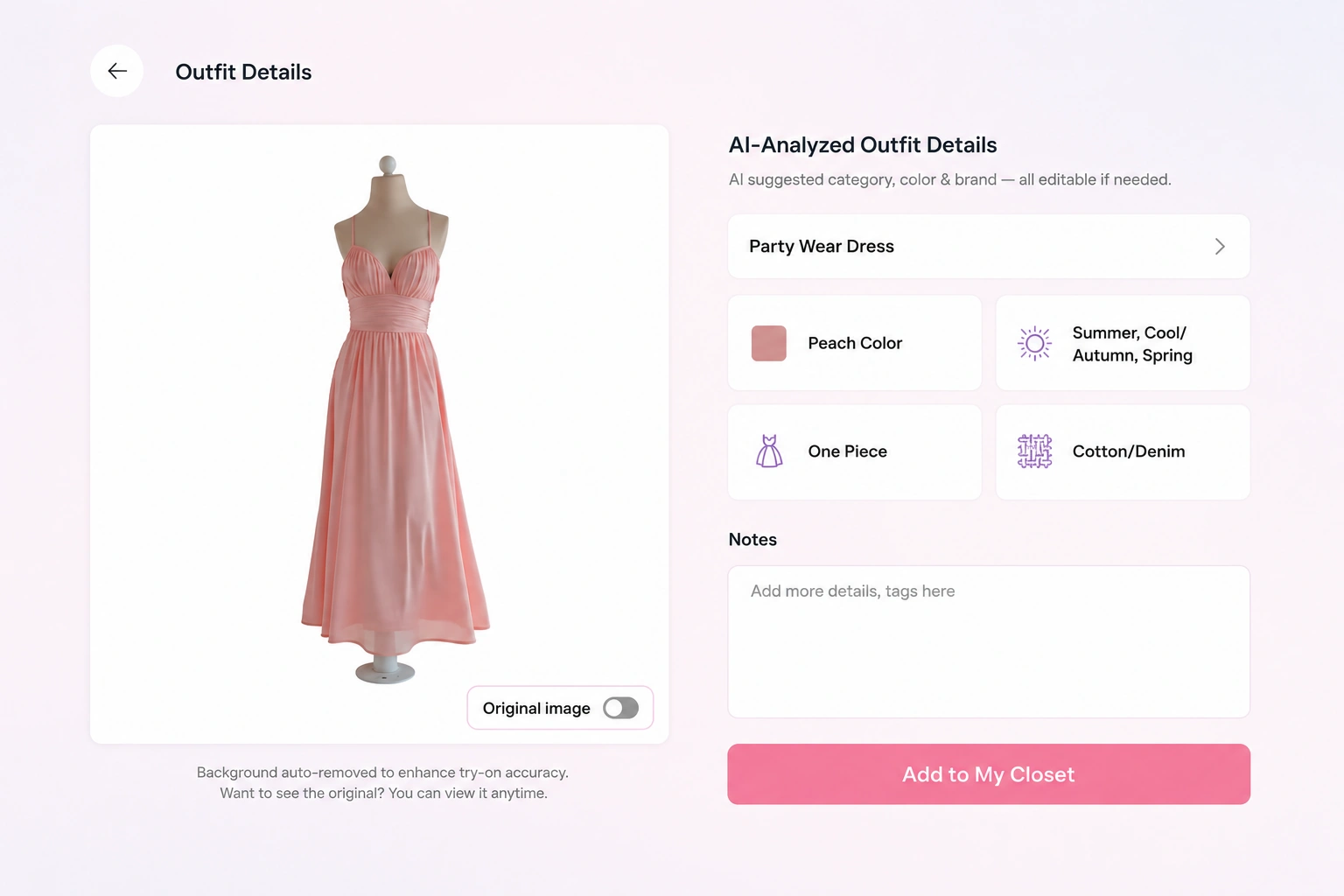
Digital Wardrobe Creation
Users can upload and arrange their inventory to optimize their outfit planning and get AI-driven insights. This creates a central digital repository to enable long-term wardrobe visibility, styling and recommendations.
Step 2
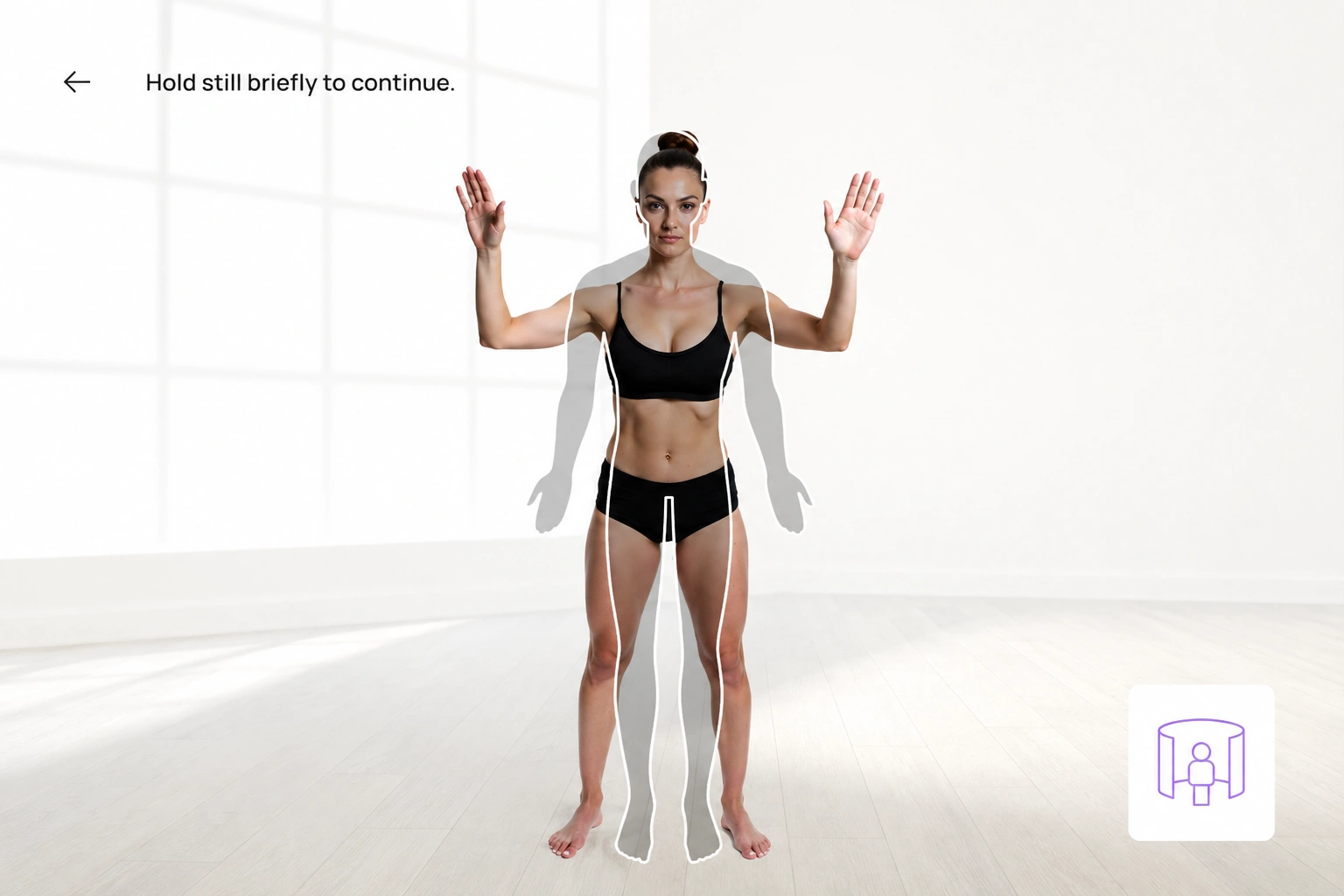
Body Scan & Profile Setup
Virtufy gives you a precise digital body profile that helps you to visualize fit better and get fit recommendations. This profile is the basis for personalized styling and sizing and try-on experiences.
Step 3
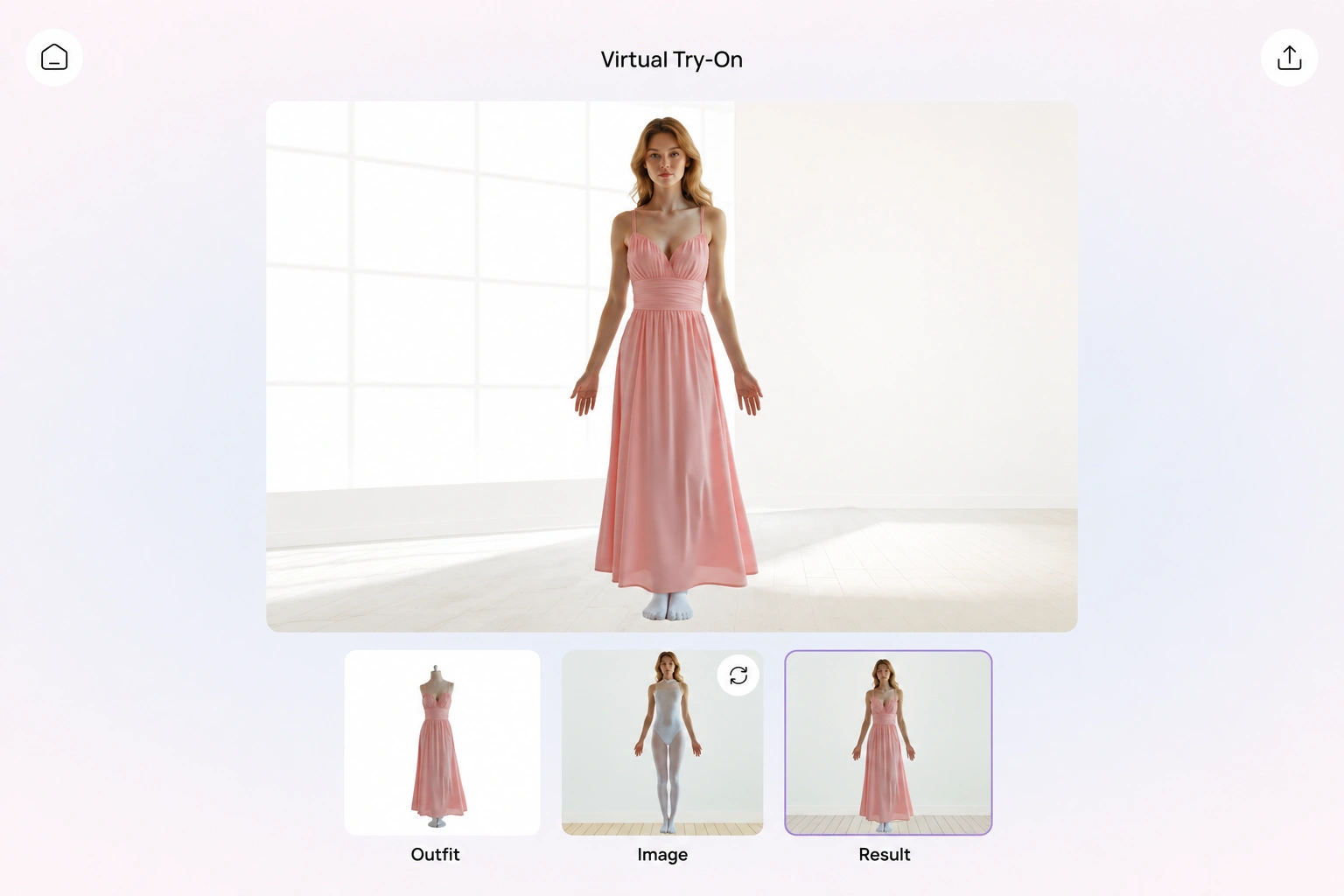
AI-Powered Virtual Try-Ons
What users wear can be seen on their own bodies instantly, in real time, which builds confidence and reduces uncertainty. It helps facilitate the transition from browsing online to trying something in the store.
Step 4
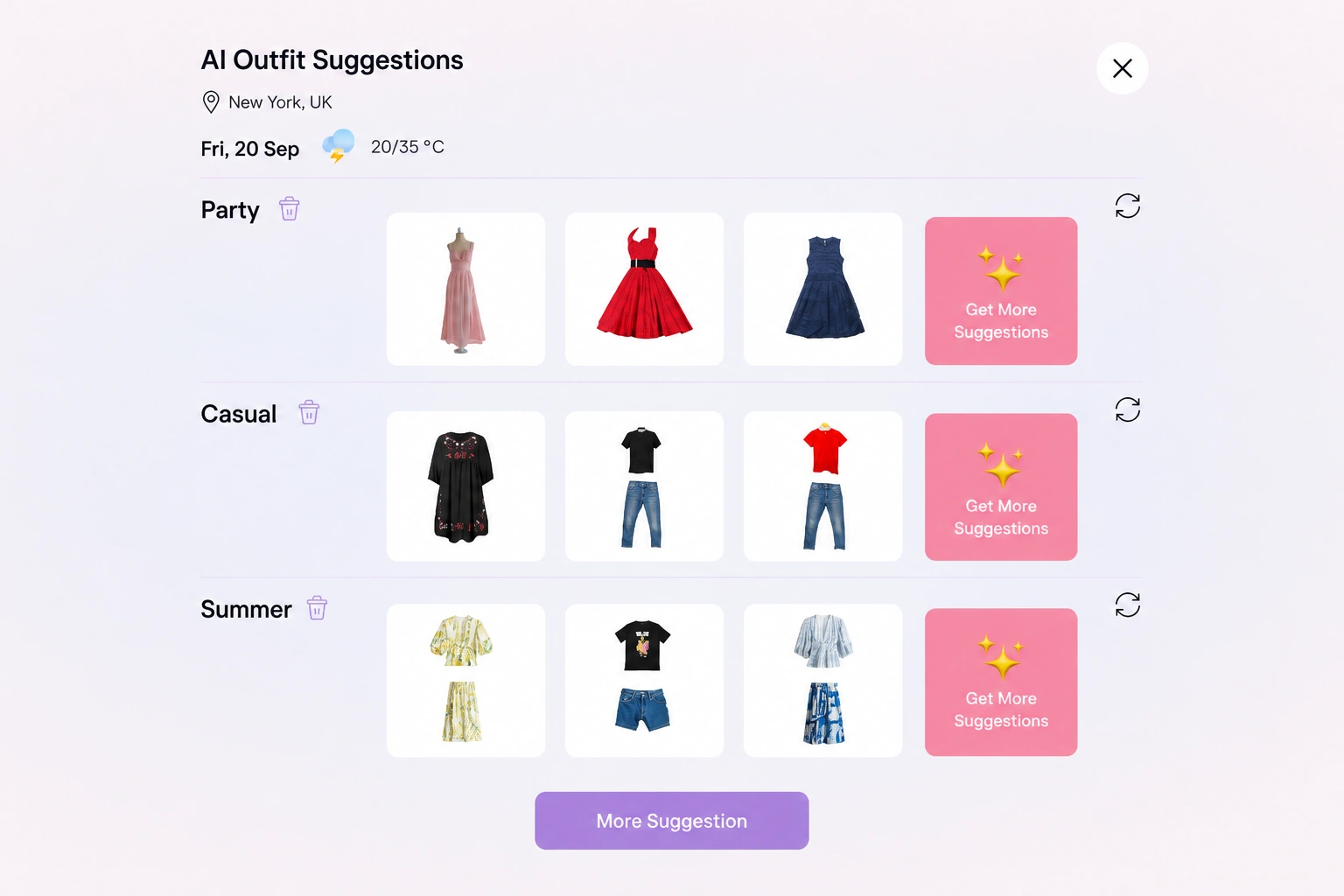
Personalized Outfit Recommendations
AI recommends outfits based on your closet, weather, your personal preferences and the occasion. This reduces decision fatigue and accelerates the process of identifying relevant appearances.
Step 5
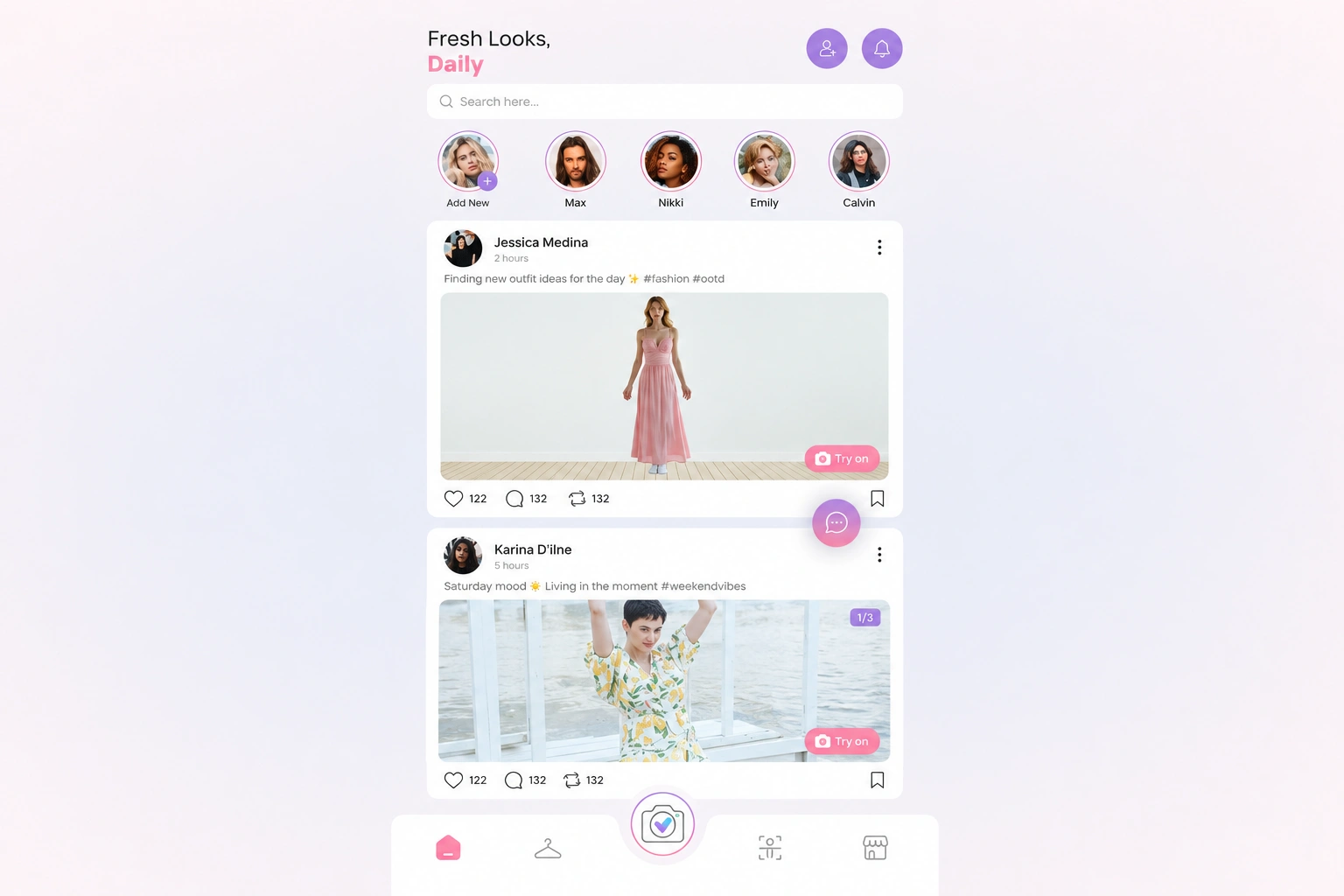
Community & Social Engagement
Users engage, share looks and connect with others via posts, stories, likes and comments. Social interaction promotes continued engagement with the platform and inspiration and discovery.
Step 6
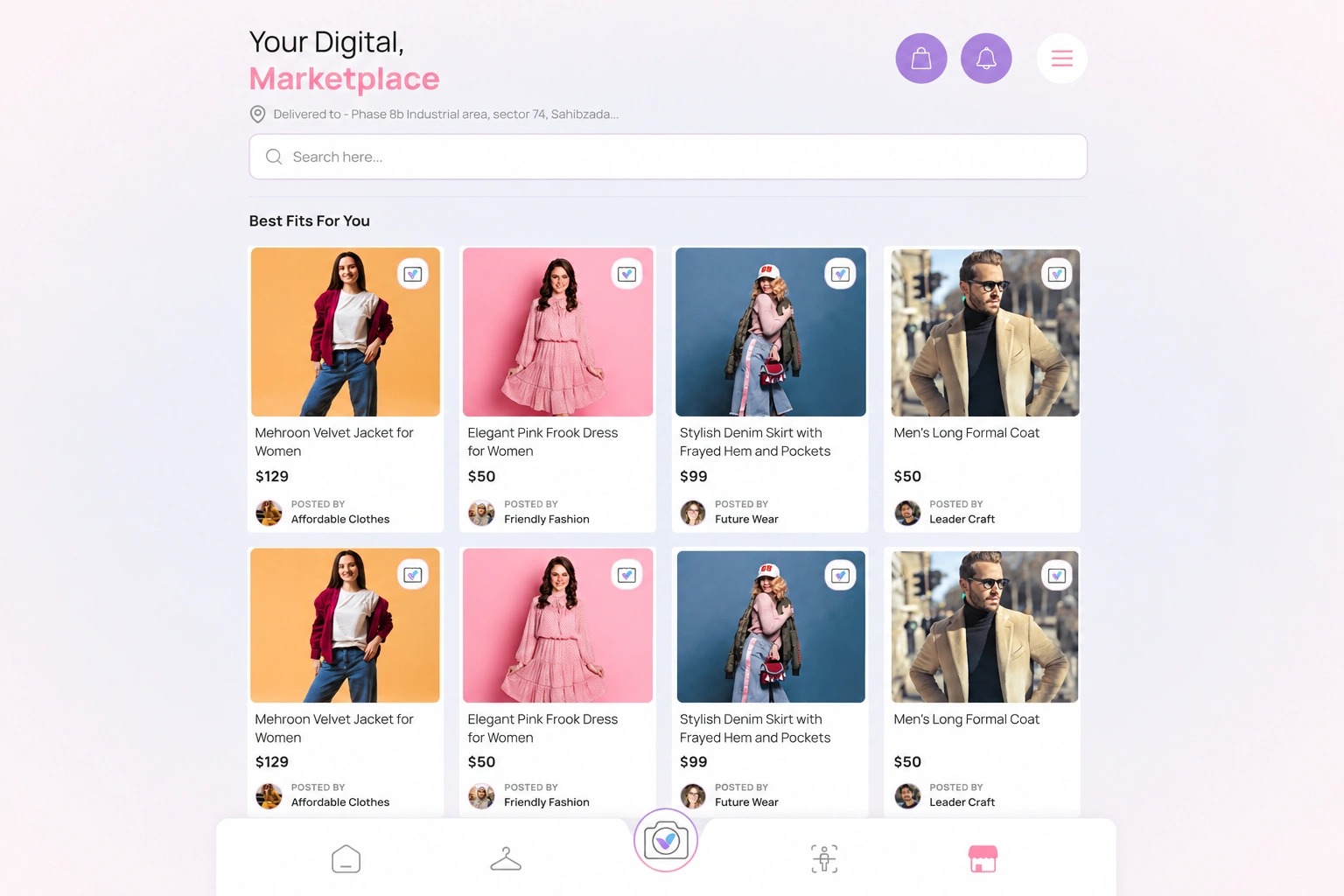
Marketplace Discovery & Selling
Sellers interact with consumers and list products via virtual try-ons and live sessions. It improves the presentation of the product and creates trust between the consumer and the seller.
Step 7
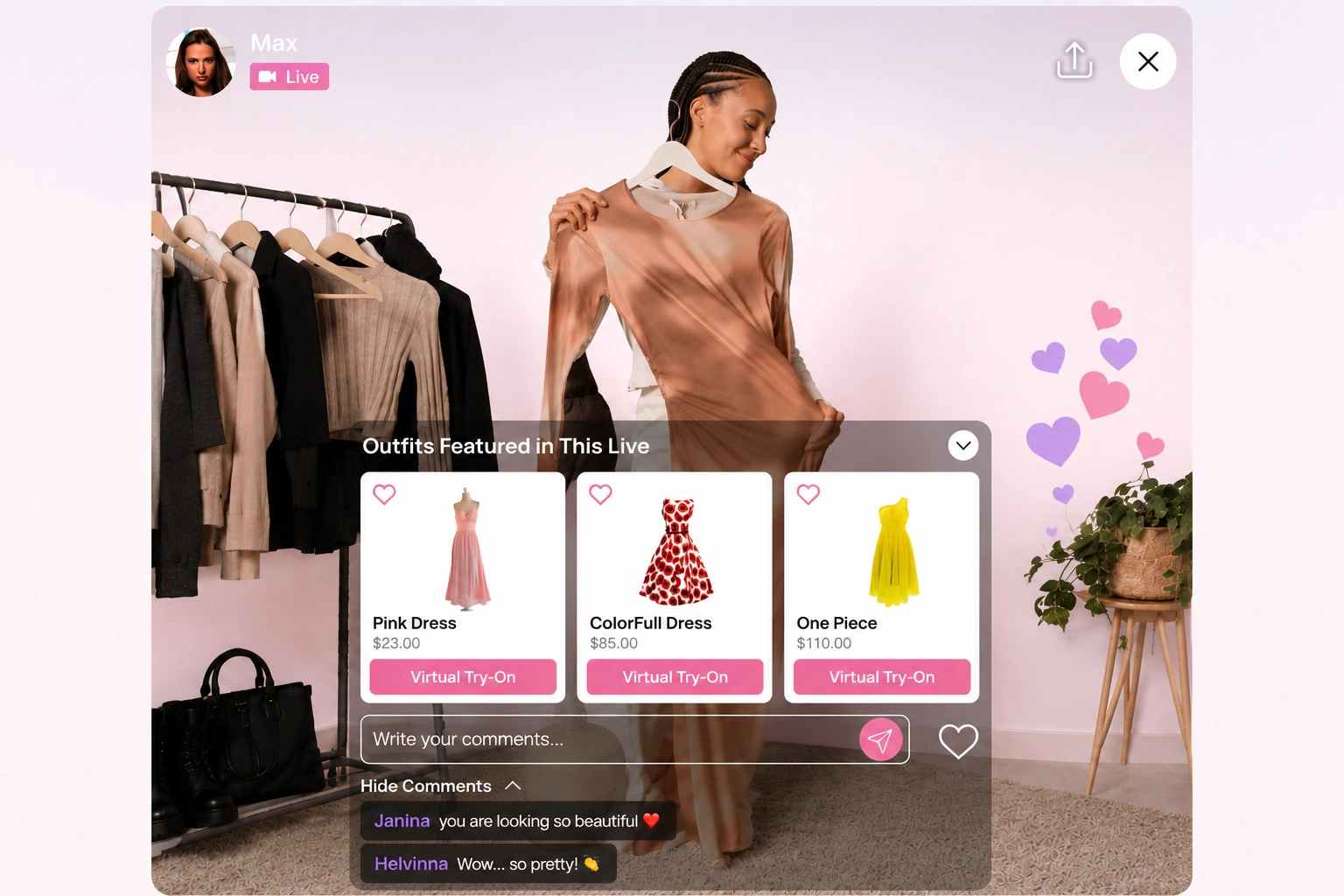
Live Events & Real-Time Interaction
Creators and merchants hold live sessions to directly engage with their audience and display their products. These real-time interactions enhance transparency, engagement and purchase confidence.
Step 8
Smart Insights & Wardrobe Analytics
Users learn how their wardrobe is being utilized, what is worn most often and styling opportunities that are not being used. This enables users to plan future purchases better, and optimize the use of their current wardrobe.
Architecture & Development Framework
Virtufy was developed on a flexible and scalable architecture designed to support realistic virtual try-ons, personalized fashion experiences, and smooth interaction across shopping, styling, and social features.

Figma
UI/UX Design

Swift
App Development

Node.js
Backend Development

Firebase
Databases & Services

Twilio
Communication & Engagement

VS Code
Development Tools

Selenium
Quality Assurance
Quantifiable Outcomes Across the Fashion Journey
Techfyte measured the effectiveness of Virtufy by analyzing user behavior before and after the introduction of AI-powered virtual try-ons, wardrobe intelligence, and personalized recommendations.
Unlocking Business Value Through AI-Driven Fashion Experiences
Virtufy is designed to deliver tangible value across the fashion ecosystem by increasing purchase confidence, improving engagement, and simplifying how users discover, style, and shop.
Confident Choices. Faster Decisions.
Greater confidence in outfit choices through realistic visualization, accurate sizing guidance, and faster styling decisions tailored to individual preferences.
Engagement and Growth.
Improved engagement and conversion rates supported by unified shopping, styling, and social features that strengthen long-term user retention.
Stronger Presentation. Higher Trust.
Enhanced product presentation through virtual try-ons and live interactions, helping build buyer trust and drive higher marketplace performance.
Built to Scale.
A scalable environment that encourages social interaction, shared inspiration, and continuous participation across fashion discovery and commerce.
Closing Thoughts
Virtufy turns fashion from a trial-and-error process into a seamless, personalized digital experience.
Powered by virtual try-ons, body scanning, personalized styling, marketplace tools, and live engagement, Virtufy enables users to:
-
 Visualize outfits with confidence
-
Make smarter styling decisions
-
Reduce sizing uncertainty
-
Engage socially around fashion
-
Shop and sell more effectively