Crypto Coin Development Company
We design and build production-ready coin systems with resilient architecture, thoughtful token design, and enterprise blockchain engineering so teams can launch faster, integrate smoothly, and support real-world adoption across evolving digital markets.
- Resilient system architecture design
- Purpose-driven token engineering
- Production-ready deployment support












What is Coin Development?
Coin development is what teams explore when they’re not just building an application, but setting up an entirely new digital currency with its own operating environment. It involves shaping how value moves across a system, how records are maintained, and how the network behaves over time. Unlike assets built inside existing chains, this approach is chosen when the project direction calls for something independent rather than dependent on another ecosystem. The difference between a coin and a token usually comes down to whether the business wants to participate in an existing framework or establish its own.
- Built for independent networks
- Drives native value flow
- Enables full system control
120+
Crypto Coin & Token Projects Delivered
12+
Years of Experience in Blockchain Innovation
150+
Expert Coin Developers & Blockchain Engineers
98%
Client Satisfaction & Retention Rate
Why Coin Development Essential for Businesses?
Coin development becomes relevant when businesses want ownership over how value moves inside their ecosystem instead of depending on external networks. It shifts control toward internal transaction flows and lets organizations design economic behavior around their own products and users. This approach also supports structured digital economies where rules, incentives, and compliance logic can operate directly within the system, especially when compared with token-based systems that rely on existing blockchains like Ethereum or BNB Chain. With enterprise cryptocurrency solutions, businesses can design environments that align financial movement with operational goals while maintaining secure cryptocurrency creation principles from the start.

Value Capture Control
Retaining transaction economics within a proprietary network helps businesses strengthen long-term revenue stability across digital ecosystems.

Monetary Policy Design
Organizations can define issuance, incentives, and flow mechanics that match product strategy and user participation models precisely.

Embedded Compliance Logic
Regulatory rules can be integrated directly into transaction layers, reducing dependency on external enforcement systems significantly.

Operational Settlement Speed
Systems can enable near-instant value transfer, improving cross-border efficiency and reducing traditional banking delays substantially.
How Coin Development Works?
Coin development follows a deliberate, protocol-first workflow that transforms design decisions into a production-ready network, balancing performance, governance, interoperability, and long-term operational resilience at scale.
Blockchain Ledger Setup
Genesis configuration defines consensus, block rules, and validation parameters, establishing how the network records transactions and maintains trust independently globally.
Cryptocurrency Wallet Creation
Native wallets enable secure key management, transaction signing, recovery logic, and seamless user interaction tailored specifically to the coin ecosystem.
Coin Logic Implementation
Core protocol logic governs transfers, issuance controls, and supply behavior, ensuring predictable value movement without reliance on external platforms systems.
Issuance and Distribution Planning
Initial distribution models define allocation, incentives, and release schedules, often including ICO development for structured fundraising mechanisms.
On-Chain Governance Design
Governance frameworks introduce proposal systems, voting mechanisms, and upgrade pathways, allowing stakeholders to guide protocol evolution transparently over time collectively.
Cross-Chain Deployment
Interoperability layers connect the coin across multiple blockchains, extending liquidity, utility, and adoption beyond its native network into broader markets.
Defining Features of Coin Development
These capabilities define the inner mechanics of a coin built for long-term relevance where precision engineering, economic clarity, and controlled scale converge to support complex digital ecosystems.

Scalable Coin Architecture
Engineered to uphold sustained transaction throughput through sharded execution models, preserving performance consistency as network participation expands without architectural strain.

Secure Cryptocurrency Creation
Security is embedded at the protocol layer using mathematically validated logic and multi-authorization safeguards, ensuring asset integrity and operational trust from inception.

Decentralized Transaction System
Transaction validation is distributed across independent nodes, eliminating centralized dependencies while maintaining continuity, neutrality, and resilience under variable network conditions.

Automated Coin Management
Protocol-level automation governs supply adjustments, lifecycle events, and systemic updates with precision, reducing operational friction and long-term administrative exposure.

Efficient Token Distribution
Distribution frameworks are structured to balance access, incentives, and controlled circulation, enabling measured adoption without market distortion or governance compromise.

AI-Powered Tokenomics
Intelligent economic models continuously evaluate network behavior, refining fee dynamics and incentive structures to sustain equilibrium as usage patterns mature.
Take Your Coin Concept From Architecture to Launch
Book a MeetingOur Coin Development Services
A focused set of services designed to help businesses create, launch, and operate native coins with architectural clarity, economic control, and production-grade blockchain infrastructure globally.

Custom Coin Creation
Genesis block design and validator node deployment establishing an independent blockchain network with defined rules, permissions, and long-term operational ownership.

Layer 1 Coin Development
Base-layer protocol engineering covering consensus selection, block structure, and network incentives required to operate a sovereign blockchain ecosystem independently sustainably.

ERC-20 Coin Development
Ethereum-native coin logic built using standardized libraries, upgradeable patterns, and security-reviewed frameworks suitable for enterprise-grade deployment environments at production scale.

BEP-20 Coin Development
BSC-optimized coin implementations designed for cost-efficient execution, faster confirmation cycles, and compatibility with decentralized applications across the ecosystem reliably consistently.

Coin Smart Contract Integration
Protocol-level smart contracts implementing transfer logic, supply controls, and permission structures aligned with the coin’s economic and governance requirements precisely.

Tokenomics Design & Modeling
Economic models crafted through scenario analysis and simulations to balance issuance, incentives, and sustainability across different growth phases strategically responsibly.

Crypto Coin Launch Services
Launch coordination covering technical readiness, liquidity preparation, and ecosystem onboarding to support smooth market entry without operational disruption risks minimized.

ICO / STO Coin Development
Fundraising-focused coin frameworks structured around compliance-aware architecture, investor protections, and jurisdiction-sensitive issuance mechanisms for regulated environments requiring formal oversight alignment.

Web3 Coin Platform Development
Supporting infrastructure including RPC access, block explorers, and developer interfaces enabling transparent network interaction and long-term operational visibility for stakeholders.
Industry-Specific Use Cases for Modern Coin Development
These industries adopt coin infrastructures where ownership, compliance, and transaction logic must align precisely with operational realities, regulatory expectations, and long-term digital ecosystem strategies globally.

Digital Gaming Platforms
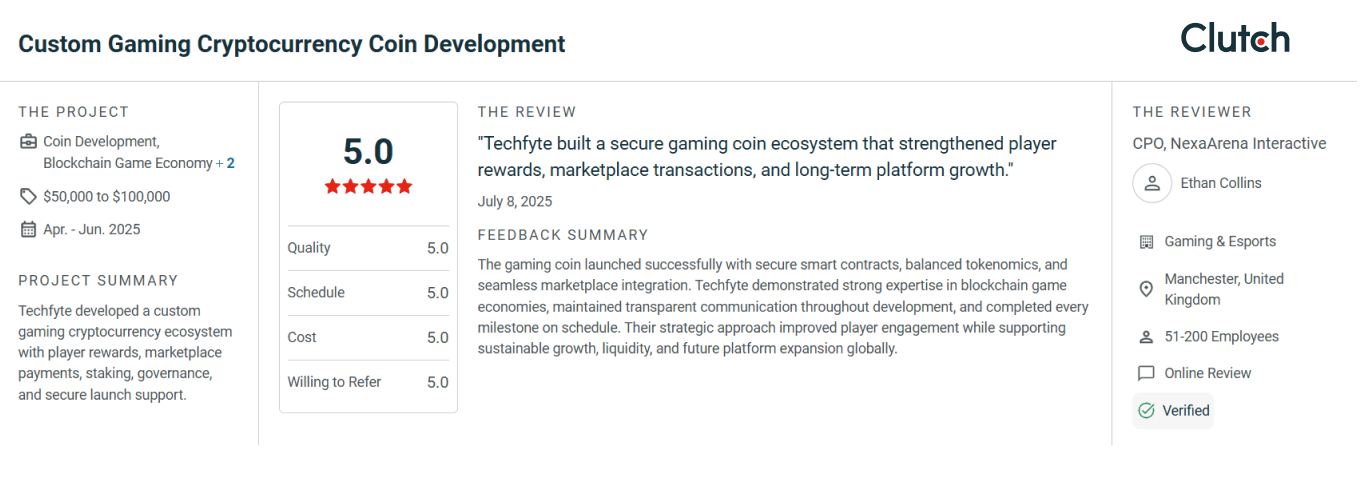
Coins power closed-loop economies enabling asset ownership, reward circulation, and marketplace settlement while supporting high-frequency transactions, fair distribution models, and evolving gameplay incentives across multiplayer ecosystems at global scale securely.
- Player-owned digital assets ecosystems
- In-game economic balance design
- Marketplace settlement logic layers

Decentralized Finance Protocols
Native coins anchor financial protocols by coordinating liquidity incentives, governance authority, and protocol fees while ensuring transparent execution, predictable monetary behavior, and resilience during volatile market conditions across decentralized systems.
- Native yield mechanisms design
- Protocol-level governance control frameworks
- Liquidity incentive alignment models

Supply Chain Networks
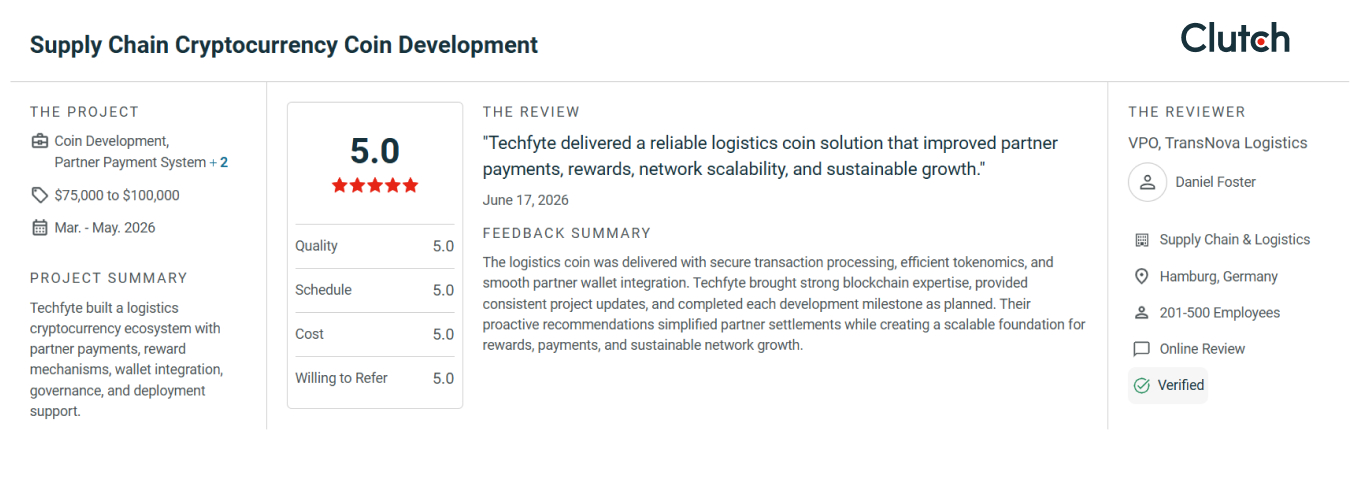
Coins streamline multi-party commerce by standardizing settlement, improving transparency, and automating payments across global supply chains with real-time verification and stablecoin-based settlement for predictable transactions.
- Vendor payment automation workflows
- Freight traceability records systems
- Settlement transparency assurance layers

Healthcare Data Systems
Coins enable controlled data exchange models where access permissions, auditability, and consent enforcement are embedded directly into transaction logic, supporting privacy preservation across regulated healthcare information ecosystems with institutional accountability.
- Permissioned data access controls
- Audit-ready transaction trails systems
- Privacy-preserving architecture design principles

Real Estate Markets
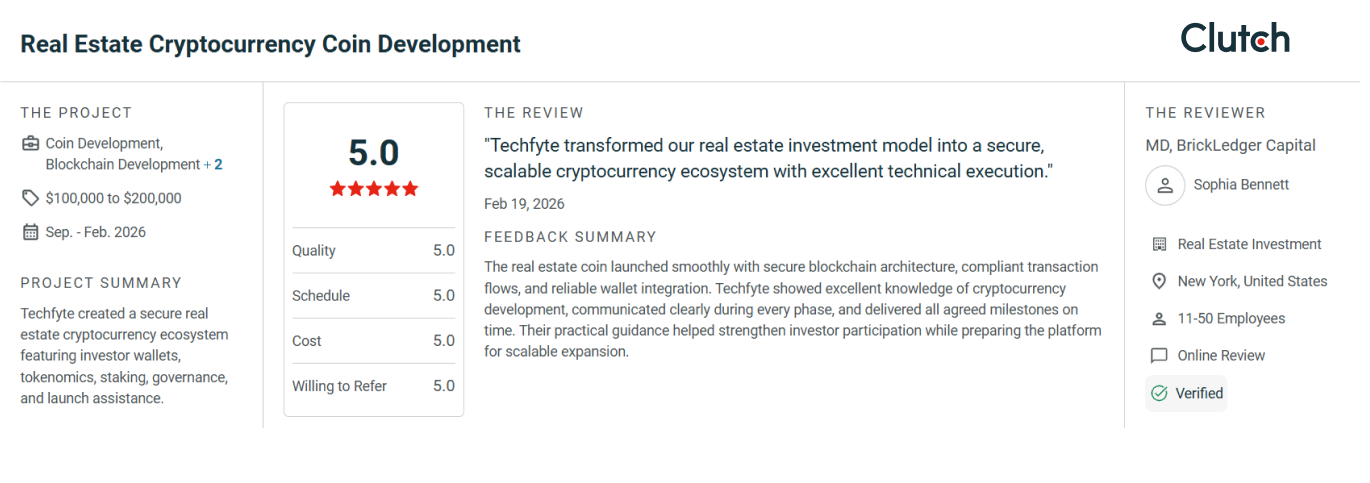
Coins introduce programmable ownership models allowing assets to be divided, transferred, and governed digitally while aligning issuance structures with legal frameworks and investor participation requirements across compliant property investment ecosystems.
- Fractional ownership structures models
- Compliant asset issuance frameworks
- Investor governance rights enforcement
Digital Gaming Platforms
Coins power closed-loop economies enabling asset ownership, reward circulation, and marketplace settlement while supporting high-frequency transactions, fair distribution models, and evolving gameplay incentives across multiplayer ecosystems at global scale securely.
- Player-owned digital assets ecosystems
- In-game economic balance design
- Marketplace settlement logic layers
Decentralized Finance Protocols
Native coins anchor financial protocols by coordinating liquidity incentives, governance authority, and protocol fees while ensuring transparent execution, predictable monetary behavior, and resilience during volatile market conditions across decentralized systems.
- Native yield mechanisms design
- Protocol-level governance control frameworks
- Liquidity incentive alignment models
Supply Chain Networks
Coins streamline multi-party commerce by standardizing settlement, improving transparency, and automating payments across global supply chains with real-time verification and stablecoin-based settlement for predictable transactions.
- Vendor payment automation workflows
- Freight traceability records systems
- Settlement transparency assurance layers
Healthcare Data Systems
Coins enable controlled data exchange models where access permissions, auditability, and consent enforcement are embedded directly into transaction logic, supporting privacy preservation across regulated healthcare information ecosystems with institutional accountability.
- Permissioned data access controls
- Audit-ready transaction trails systems
- Privacy-preserving architecture design principles
Real Estate Markets
Coins introduce programmable ownership models allowing assets to be divided, transferred, and governed digitally while aligning issuance structures with legal frameworks and investor participation requirements across compliant property investment ecosystems.
- Fractional ownership structures models
- Compliant asset issuance frameworks
- Investor governance rights enforcement
Ready to Launch Your Own Crypto Coin?
Request a ConsultationPrecision-Driven Coin Development Process
A disciplined, end-to-end execution framework translating strategic intent into a resilient coin network through controlled decisions, verification milestones, and launch-ready infrastructure built for long-term reliability.

Discovery & Tokenomics
Business goals, value flows, and incentive logic are shaped using simulations that surface constraints early, preventing economics before protocol commitment.
Ledger & Wallet Setup
Core ledger parameters and native wallet foundations are established to define transaction validity, key custody, and user interaction boundaries clearly.


Smart Contract Engineering
Protocol contracts governing issuance, transfers, and permissions are developed with deterministic behavior, extensive testing, and upgrade-safe design considerations applied consistently.
Security Assurance Phase
Architecture undergoes structured validation, formal proofs, and adversarial review to confirm correctness, resistance, and operational integrity before exposure to stakeholders.


Issuance & Governance
Release mechanics and decision frameworks are configured to define participation rights, upgrade authority, and accountable stewardship across the network lifecycle.
Cross-Chain Launch
Interoperability routes, deployment sequencing, and monitoring controls activate the coin in live environments while maintaining stability, visibility, and controlled expansion.

Why Choose Us for Coin Development?
Teams choose Techfyte for disciplined engineering, economic clarity, and execution maturity that reduce uncertainty, protect long-term value, and deliver coin systems built for real-world operations.

Intelligent Tokenomics Design
We model coin economics using simulations and adaptive analytics, aligning incentives with growth stages while preventing imbalance before decisions are irreversible.

Security Before Scale
Every component is validated through formal methods, adversarial review, and controlled exposure, ensuring correctness and resilience before expansion introduces risk.

Native Cross-Chain Readiness
We architect coins for multi-network deployment, enabling liquidity reach and interoperability without compromising governance intent, operational control, or long-term coherence.
What Clients Say