White Label Tokenization Platform Development Company
Techfyte provides white label tokenization platform development services that help businesses launch branded, compliance-ready tokenization platforms without building from scratch.
- Rapid deployment with compliance readiness
- Full brand and platform ownership maintained
- Scalable across multiple asset markets and jurisdictions











What is White-Label Tokenization?
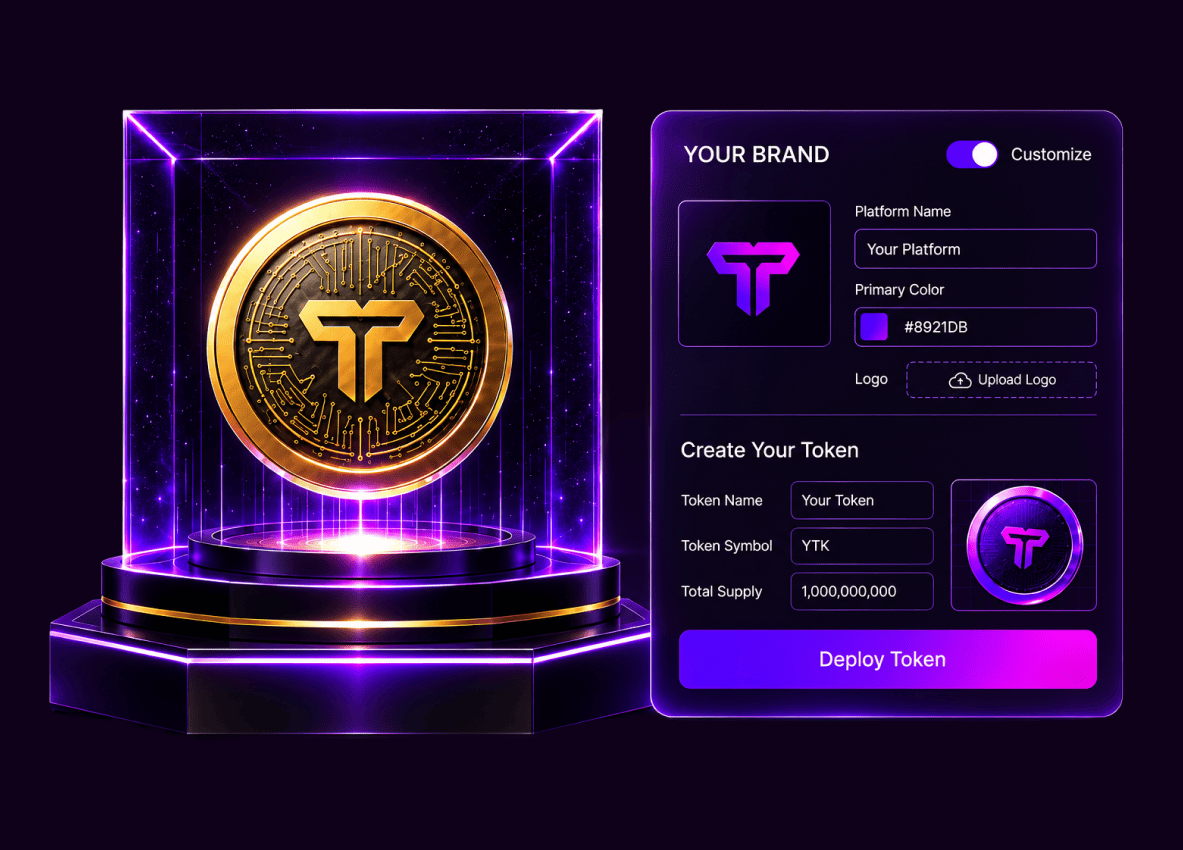
White label tokenization services provide a pre-built blockchain infrastructure that enables businesses to launch branded tokenized asset platforms without building core systems from scratch. As part of a broader asset tokenization strategy, it supports asset issuance, compliance, transaction processing, and platform management within a configurable environment. Businesses gain enterprise-grade infrastructure while maintaining full control over branding, user experience, and business logic. Instead of managing separate blockchain, security, and administration layers, everything runs through a unified platform built for rapid deployment, operational stability, and scalable growth.
- Pre-built token infrastructure
- Unified asset operations
- Brand-controlled platform backend
150+
White Label Tokenization Projects Delivered
12+
Years of Experience in Blockchain & Tokenization
120+
Blockchain & Tokenization Experts
98%
Client Retention Across Global Tokenization Projects
RWA Tokenization Platform
Tokenizing real-world assets for fractional ownership, liquidity, and seamless DeFi integration.
- Fractionalize high-value assets
- Secure, transparent transactions
- Bridge traditional markets with DeFi

Why White-Label Tokenization Matters to Businesses?
A white label tokenization platform solution enables businesses to enter regulated digital asset markets faster without the cost, complexity, and resource demands of building blockchain infrastructure from the ground up. It provides a scalable foundation for launching, managing, and growing tokenized asset offerings while maintaining compliance and operational efficiency. It eliminates lengthy development cycles, allowing organizations to respond quickly to market opportunities, evolving regulations, and investor demand. This is especially valuable in industries where speed to market and compliance readiness directly influence competitive advantage. Instead of investing heavily in infrastructure before validating a business model, companies can focus on launching, testing, and scaling tokenized products with lower operational risk.

Faster Product Launches
Businesses can bring tokenized platforms live quickly, helping them test ideas, attract users, and respond to market demand without long delays.

Lower Development Strain
Teams avoid building blockchain infrastructure from scratch, reducing workload and freeing engineers to focus on product improvements instead.

Greater Business Agility
Companies can adapt faster to new opportunities in digital assets, adjusting features and offerings without major redevelopment cycles slowing them down.

Simplified Market Entry
Organizations can enter digital asset markets faster, including regulated financial instruments such as tokenized bonds and equities.
Launch your Tokenization Platform Faster
Start Building NowBenefits of White-Label Tokenization Platform Development
White label tokenization platform development is more than a faster way to launch digital assets. It provides a scalable foundation for businesses to build, manage, and expand tokenized ecosystems with greater operational efficiency, regulatory flexibility, and long-term platform control.

Ecosystem Expansion Ability
Enables businesses to expand into multiple asset classes, partner networks, and broader asset tokenization ecosystems without rebuilding core infrastructure.

Full Platform Control
Gives complete control over branding, workflows, user experience, and asset structure with flexible token standards engineering while using a stable underlying blockchain system.

Operational Efficiency Gain
Reduces operational workload by automating core blockchain processes through AI-based smart contract generation, allowing teams to focus on strategy and business growth.

Faster Product Evolution
New features and asset models can be added without disrupting the system, supporting continuous innovation and improvement.

Reduced Technical Dependence
Minimizes reliance on blockchain engineering resources by providing ready-to-use infrastructure and managed system components.

Regulatory Adaptability
Compliance-ready frameworks make it easier to adapt to changing regulations across different regions and asset categories through regulatory-compliant token design.

Consistent User Experience
Ensures a unified experience across all tokenized products with smoother investor onboarding compliance, improving trust and engagement for investors and users.

Long-Term System Stability
Provides a stable foundation that evolves through updates rather than constant redevelopment, supporting sustainable scaling.

Seamless Integration Capability
Easily connects with existing enterprise systems, APIs, and financial tools, allowing smooth adoption without disrupting current business operations or workflows.
How White-Label Tokenization Works?
Explore how white label tokenization services transform real-world assets into digital tokens through structured workflows, smart contracts, and scalable blockchain infrastructure.
Asset Digitization Setup
Real world assets are structured into a digital format so they can be represented on chain with clear ownership and compliance ready documentation
Platform Configuration Stage
You define how the platform operates including asset types user roles permissions and workflows within a ready made white label system.
Blockchain Connection Layer
The platform connects to blockchain for secure real-time verification, while token structure is defined through a dedicated engineering framework token standards engineering.
Smart Contract Execution
Smart contracts manage key processes like ownership rules transfers and compliance checks automatically reducing manual work and improving accuracy across operations
Investor Access Experience
Users interact through your branded platform where onboarding identity verification and wallet access are handled smoothly within a unified experience
Ongoing Asset Management
Once live assets can be monitored updated and managed easily through the platform without requiring technical changes or disrupting ongoing operations
Our White-Label Tokenization Services
Our white-label asset tokenization platform is designed to help businesses launch, customize, and operate branded tokenization ecosystems with speed, compliance, and long-term scalability. We support every stage of deployment; from configuration to post-launch optimization.

Go Live Deployment
We handle complete platform deployment from setup to launch, using asset tokenization development support to make your white-label system production ready without internal technical delays or complexity.

Business Model Configuration
We map your tokenization structure to your business model with token standards engineering, including asset rules, investor flows, and revenue logic tailored to your use case.

System Integration Support
We connect your platform with existing tools, payment systems, enterprise software, and custody integrations so everything works together smoothly from day one.

Regulatory Setup Assistance
We help configure compliance workflows, onboarding rules, verification processes, and regulatory-compliant token design requirements based on your target markets.

Platform Customization Delivery
We adjust interface, workflows, and platform features through white-label tokenization delivery to match your brand identity and operational needs without affecting backend stability.

Post Launch Operations Support
After launch, we support updates, monitoring, issue resolution, and improvements so your platform runs smoothly as your business scales.
Cost-Effective Tokenization Solutions
A white label tokenization platform solution eliminates the high cost and complexity of building blockchain infrastructure from scratch. Instead of making large upfront technology investments, businesses can launch on a proven, production-ready platform while allocating resources more strategically as their tokenization ecosystem grows. It’s less about cutting corners and more about spending smarter from day one, especially when entering new digital asset markets.

Predictable infrastructure investment model

Lower upfront technology commitment

Efficient use of development budgets

Reduced financial risk in early stages

Flexible scaling without capital overload
Applications of White-Label Tokenization Services in Modern Digital Ecosystems
These use cases demonstrate how white-label tokenization services help businesses move beyond traditional financial systems by transforming regulated assets into secure, investable, and digitally managed ecosystems.

Real Estate Platforms
Developers and property platforms use white-label tokenization services to launch branded investment marketplaces where property ownership can be fractionalized, listed, and managed within a compliant digital framework.
- Tokenized property listing platforms
- Investor driven property marketplaces
- Digital ownership transfer systems
- Multi-asset property portfolios

Private Investment Networks
Investment firms use white-label platforms to build closed or semi-open investor networks where private deals are structured, issued, and managed through tokenized instruments.
- Structured private deal issuance
- Controlled investor network access
- Digital investment distribution systems
- Managed capital allocation flows

Asset Management Funds
Fund managers utilize white-label tokenization services to launch digital fund products where subscriptions, allocations, reporting, and investor management are handled through a unified blockchain-powered platform.
- Token based fund units
- Automated investor subscriptions
- Real time fund reporting
- Digital portfolio tracking systems

Startup Funding Platforms
Startups and incubators use tokenization platforms to issue digital equity or structured investment rights to early backers without traditional fundraising bottlenecks.
- Digital equity issuance models
- Early investor onboarding systems
- Structured fundraising workflows
- Secondary exit enablement options
Real Estate Platforms
Developers and property platforms use white-label tokenization services to launch branded investment marketplaces where property ownership can be fractionalized, listed, and managed within a compliant digital framework.
- Tokenized property listing platforms
- Investor driven property marketplaces
- Digital ownership transfer systems
- Multi-asset property portfolios
Private Investment Networks
Investment firms use white-label platforms to build closed or semi-open investor networks where private deals are structured, issued, and managed through tokenized instruments.
- Structured private deal issuance
- Controlled investor network access
- Digital investment distribution systems
- Managed capital allocation flows
Asset Management Funds
Fund managers utilize white-label tokenization services to launch digital fund products where subscriptions, allocations, reporting, and investor management are handled through a unified blockchain-powered platform.
- Token based fund units
- Automated investor subscriptions
- Real time fund reporting
- Digital portfolio tracking systems
Startup Funding Platforms
Startups and incubators use tokenization platforms to issue digital equity or structured investment rights to early backers without traditional fundraising bottlenecks.
- Digital equity issuance models
- Early investor onboarding systems
- Structured fundraising workflows
- Secondary exit enablement options
See How Tokenization Works in Real Business Environments
Book a Free Expert CallExecution Architecture of White-Label Tokenization
Our white label tokenization platform solution is built on an enterprise-grade architecture that governs asset lifecycles, platform operations, and governance workflows without disrupting business continuity. The modular design ensures scalability, operational efficiency, and long-term adaptability as your digital asset ecosystem grows.

System Level Architecture Design
The platform runs on a layered architecture where blockchain, business logic, and user experience stay separate, ensuring stability, scalability, and smooth performance under real market load.
Unified Admin Control Console
All platform operations are managed through a single console where teams can control assets, users, permissions, and configurations in real time without technical dependency.


Governance and Lifecycle Management
Built-in governance rules guide compliance and approvals while the system manages the full asset lifecycle from issuance to updates, ensuring consistent control as the platform scales.
Why Choose Techfyte for White-Label Tokenization?
Techfyte specializes in white label tokenization platform development, delivering an enterprise-ready solution for asset issuance, lifecycle management, compliance, and investor operations within a single, unified platform. Our infrastructure helps businesses launch faster while maintaining complete control, security, and scalability.

No Fragmented Systems
Most teams rely on separate tools for infrastructure, compliance, custody, and admin functions, creating gaps and delays. Techfyte unifies everything into one coordinated tokenization platform.

No Rebuild Cycles
Platform changes in many systems trigger costly redevelopment work. Techfyte allows updates within the system itself, avoiding engineering-heavy rebuilds and reducing operational disruption.

Built for Financial Control
Unlike generic SaaS tools, Techfyte is structured around regulated financial workflows with defined roles, permissions, and execution paths for managing tokenized assets and investors.