


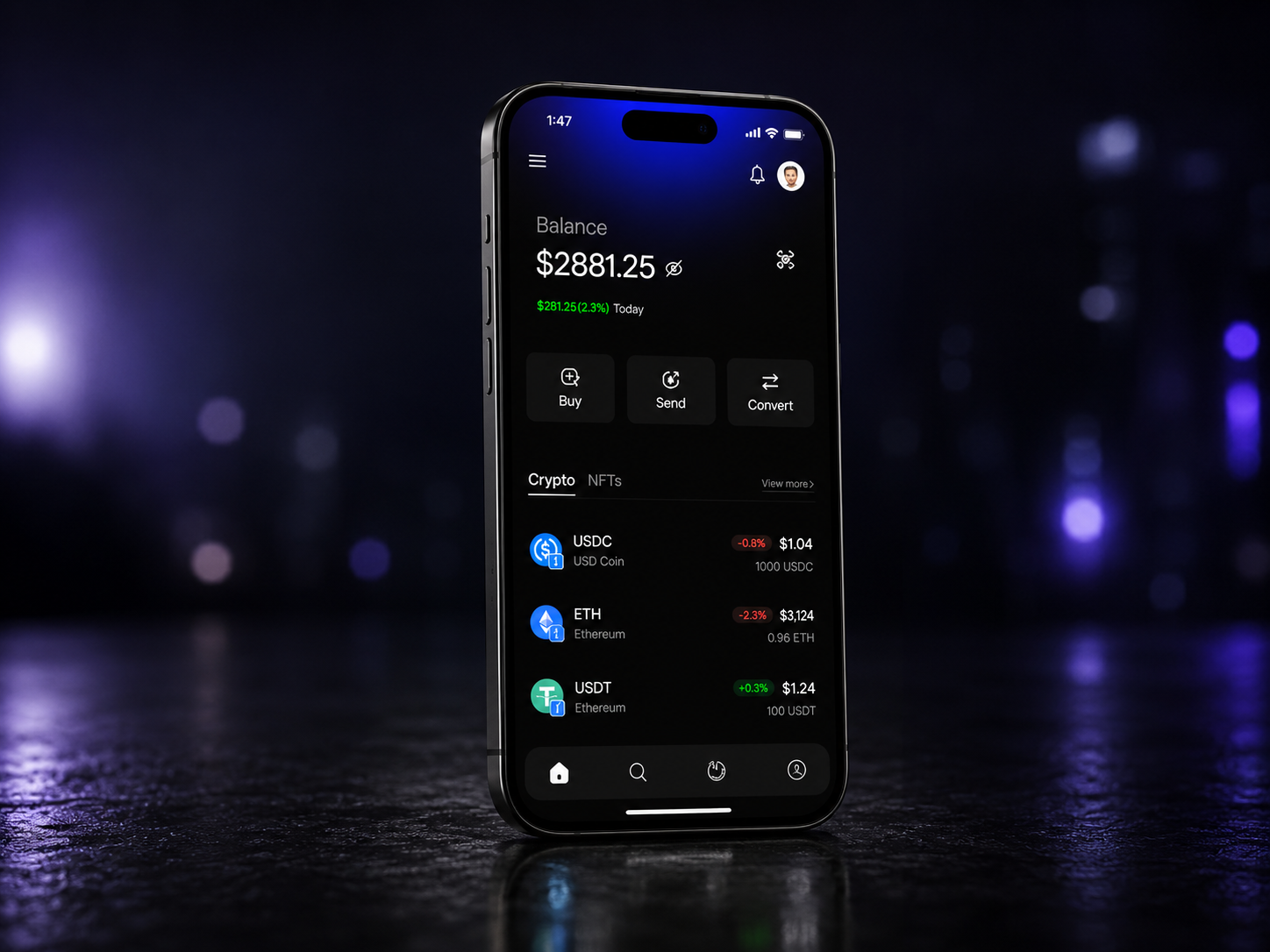
The Multi-Chain Wallet Challenges Holding Back Web3 Adoption
The use of crypto wallets spotlights a key dilemma in the digital economy. It sits at the crossroads of state-of-the-art cryptography, consumer-grade user experience, and full confidence. But most potential consumers regard that point of entry as a hostile frontier rather than a friendly portal. This space is defined by 4 structural realities
Every Chain Is Its Own Silo
Each active network has its own addressing algorithm, gas dynamics and infrastructure. Ethereum, Solana, Bitcoin, and dozens of others. A single bank account works everywhere, but a wallet made for one chain does not work on another, forcing users to use multiple apps to keep a single portfolio.
Security Is Existential, Not Optional
Losing a seed phrase or revealing a private key is not just an inconvenience, it can result in the permanent and irreversible loss of wealth. The margin of error with self-custody is essentially zero.
Friction Compounds With Every Chain Added
The pre-requisite to hold the right gas token for the right network before a user can submit a transaction increases the cognitive load every time a new chain gets added to the equation.
Discovery and Access Must Feel Native
Several dApps spread across DeFi, NFTs, and blockchain games. There’s no unified way to contact users, meaning they have to switch between browser tabs, wallet pop-ups and unpredictable connection flows.
The result?
For most consumers neither is a category that requires both bank security and simplicity of consumer app. This isn’t a failure of crypto users; it’s a structural mismatch between what self-custody requires and what most wallets provide.
When Wallet Complexity Hits the Breaking Point: Six Operational Bottlenecks
Most wallets face the same set of difficulties when users try to travel across chains, hold multiple assets, or interact with dApps. These aren’t just annoyances but systemic defects that, together, place a hard ceiling on Web3 growth, while also placing a disproportionate security burden on the users least prepared to bear it. Tria’s mission starts by identifying and analyzing these six critical break points.
The Multi-Chain Fragmentation Bottleneck
Most Web3 wallets can only support one network at a time, which means users need to switch chains manually or use entirely different wallets for each blockchain. This fragmentation creates uncertainty and slows uptake, especially for those managing a broad portfolio.
The Seed Phrase & Private Key Risk
The usual crypto onboarding process involves a seed phrase, a scary and easy-to-lose string of words that, if mishandled, results in irreversible financial ruin. The management of private keys by ordinary people is fraught with serious security risks.
The Gas Token Friction Problem
If you want to transact on other networks you need the relevant gas token e.g. if you want to transact on Ethereum you need ETH, Solana you need SOL, Bitcoin you need BTC. This complicates the experience and prevents smooth, spontaneous cross-chain behavior.
The NFT Rendering Blind Spot
Different chains have different NFT metadata formats, resulting in uneven rendering, delayed loading, and in some cases, metadata failure in traditional wallets, reducing user confidence in what they actually own.
The Mobile Performance & Security Gap
Cryptographic operations, live blockchain synchronization, and real-time portfolio updates all demand excellent performance and complete security on a mobile device, which most mobile wallets fail to provide.
The dApp Disconnect
Users want to be able to access DeFi, gaming, and NFT dApps all in one place. Without it, they have to hop between apps, dealing with inconsistent, unpredictable connection flows every time they want to interact with a protocol.
The bottom line
These six bottlenecks are not only friction points but also ceilings for mainstream crypto adoption, putting the burden of security on the least experienced users.
The Solution: Designing a Frictionless Multi-Chain Wallet Experience
Tria Wallet is not just a feature upgrade, it’s a complete re-architecture of the crypto wallet experience. Techfyte developed Tria Wallet to bring Web2 simplicity and Web3 power together, with a dedicated solution to each bottleneck.
Step 1
Unified Multi-Chain Engine
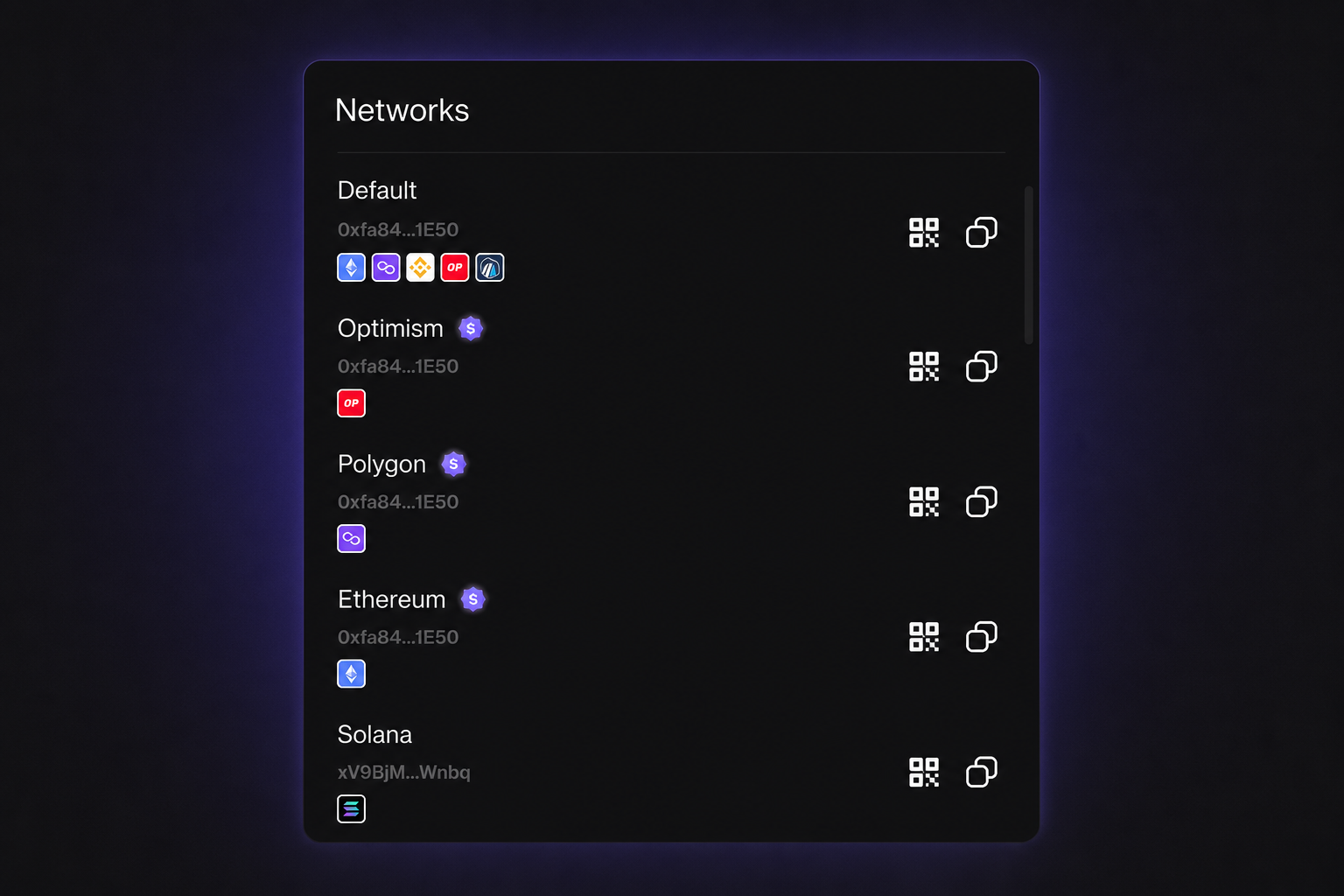
A single engine in the background handles the automatic chain detection, address processing and transaction routing. The system runs many networks in the background, but users interact with a single wallet.
Step 2
Seedless Self-Custody via MPC/TSS
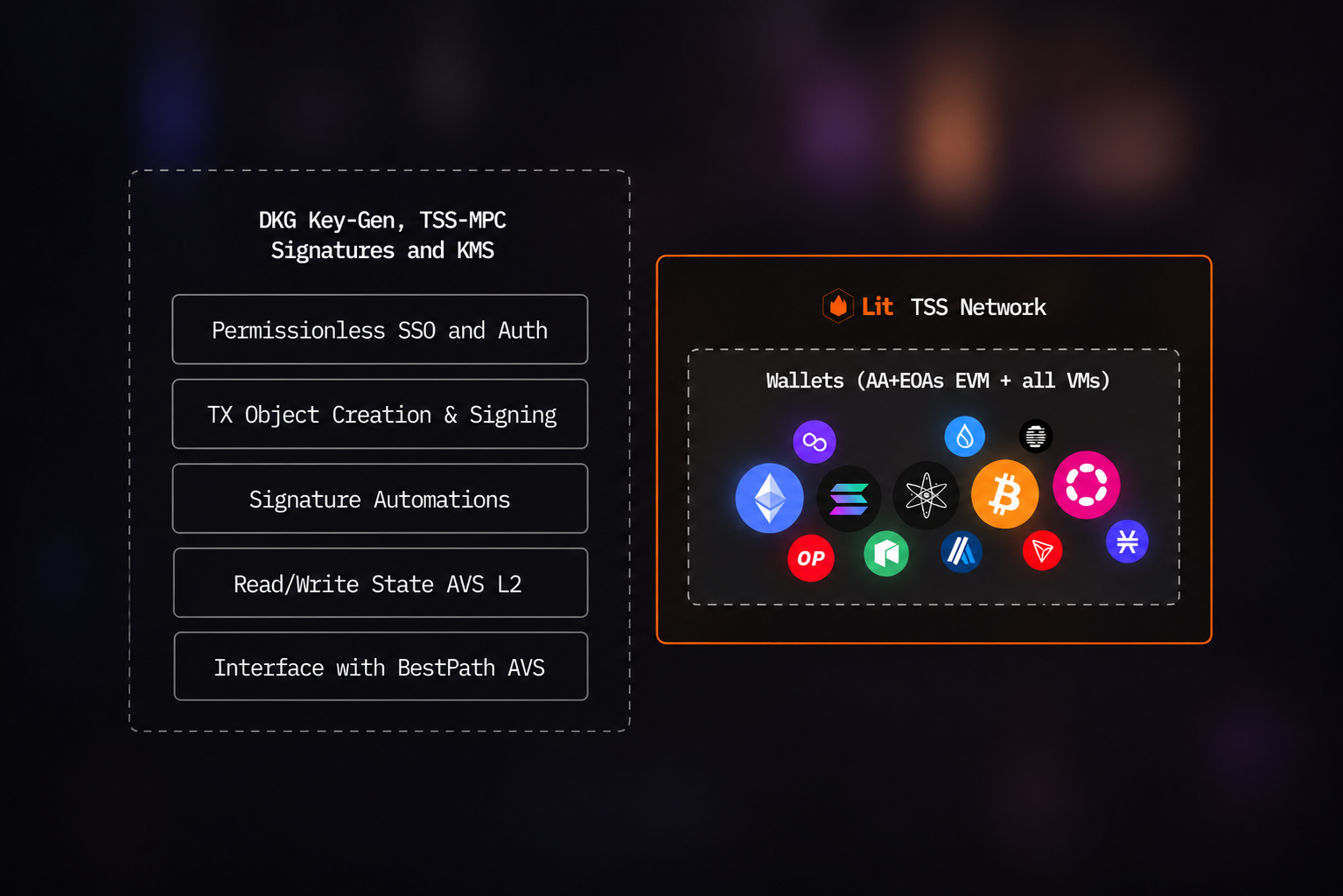
Tria leverages Multi-Party Computation and Threshold Signature Schemes (MPC/TSS) to completely remove seed phrases. Users have full control over their private keys, without ever having to touch them.
Step 3
Gasless Transaction Flows
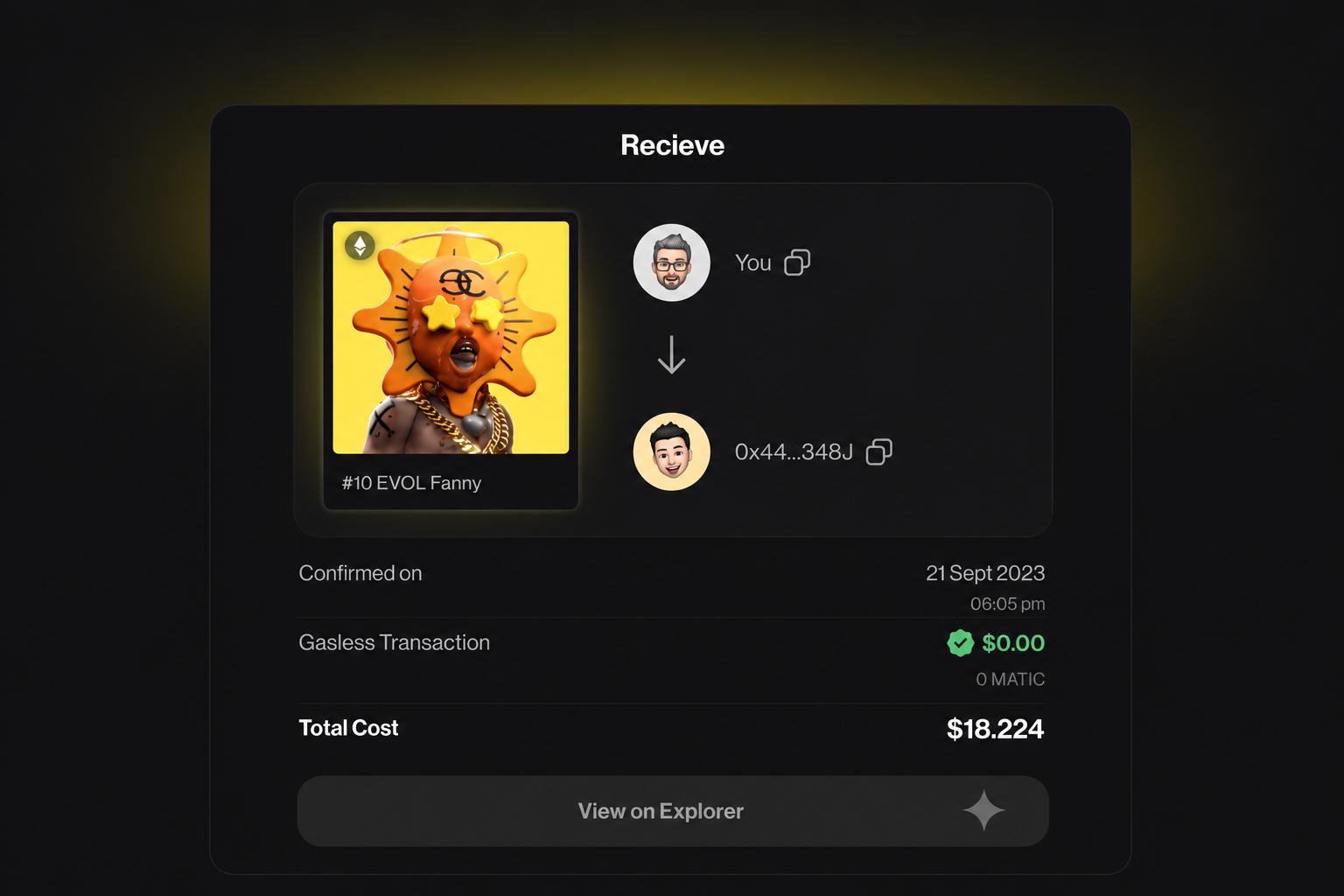
Gas sponsorship and abstraction methods allow users to transact without needing to pre-hold chain-specific gas tokens, removing one of the biggest barriers to cross-chain activity.
Step 4
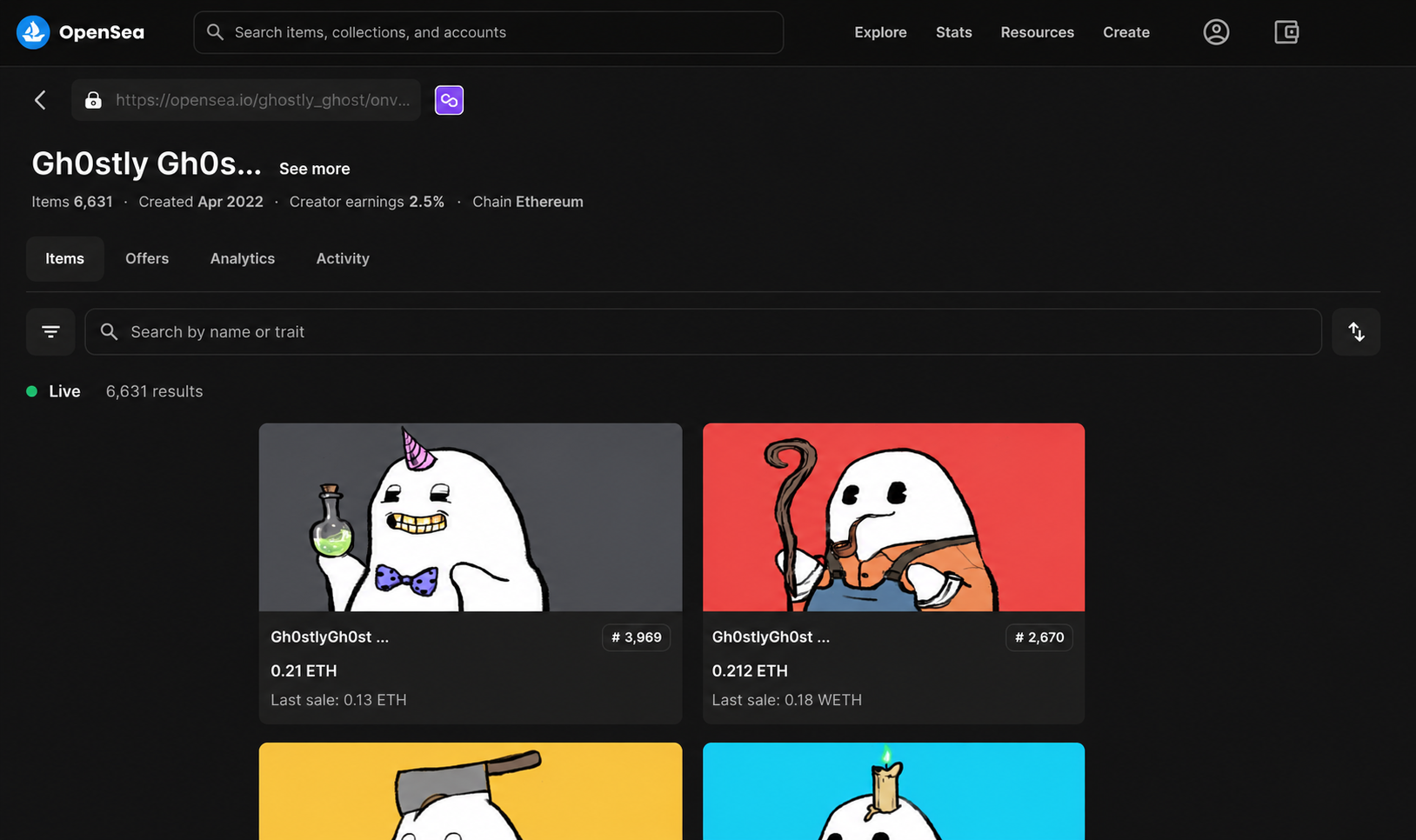
Cross-Chain NFT Metadata Engine
A custom metadata engine standardizes data structures and caches material across chains ensuring NFTs always load and display correctly, regardless of the source network.
Step 5
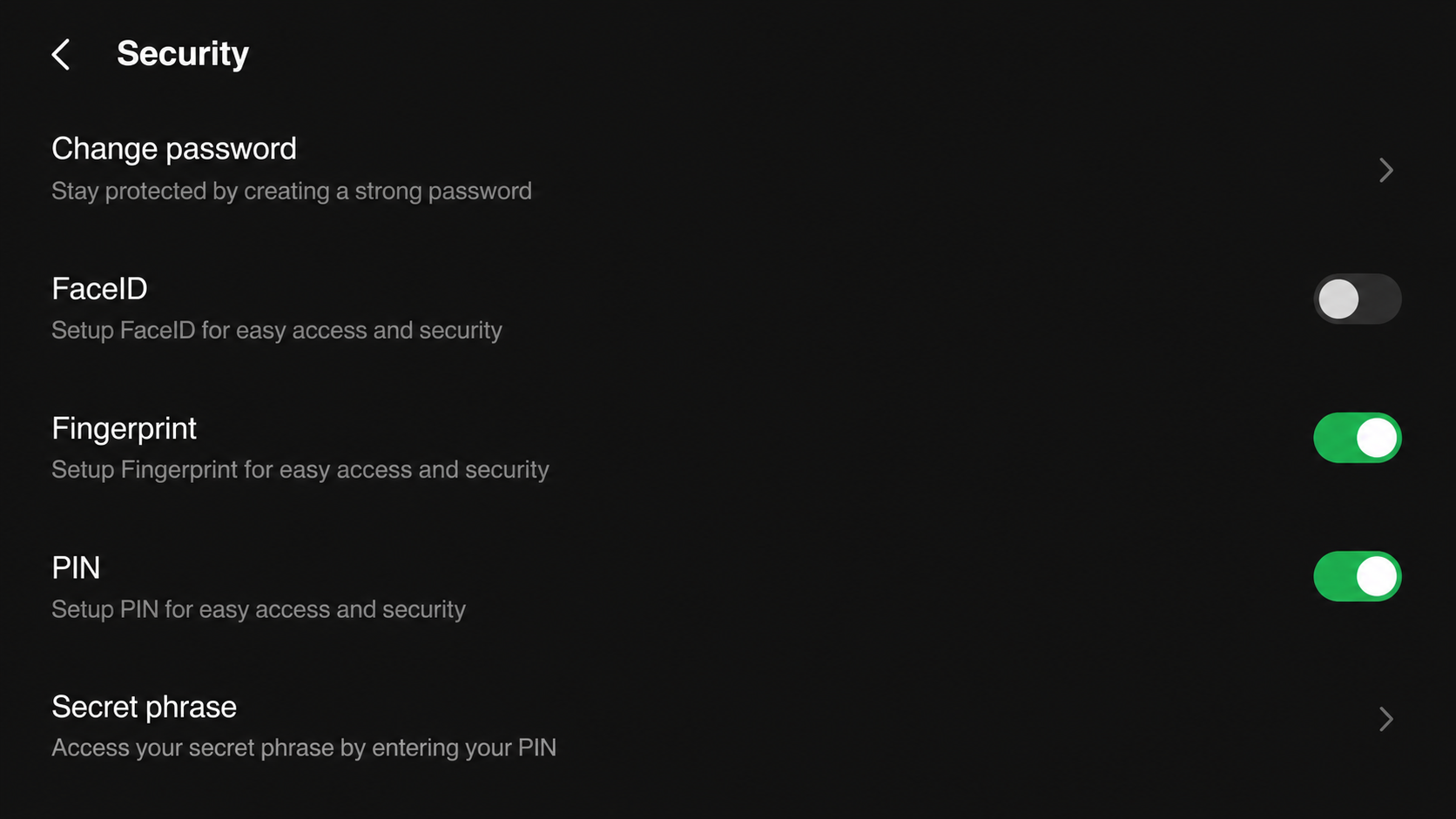
Optimized Mobile Performance & Security
React Native + Expo was built for high-performance rendering, with encrypted storage, biometric identification and multi-factor security mechanisms to keep users safe without slowing them down.
Step 6
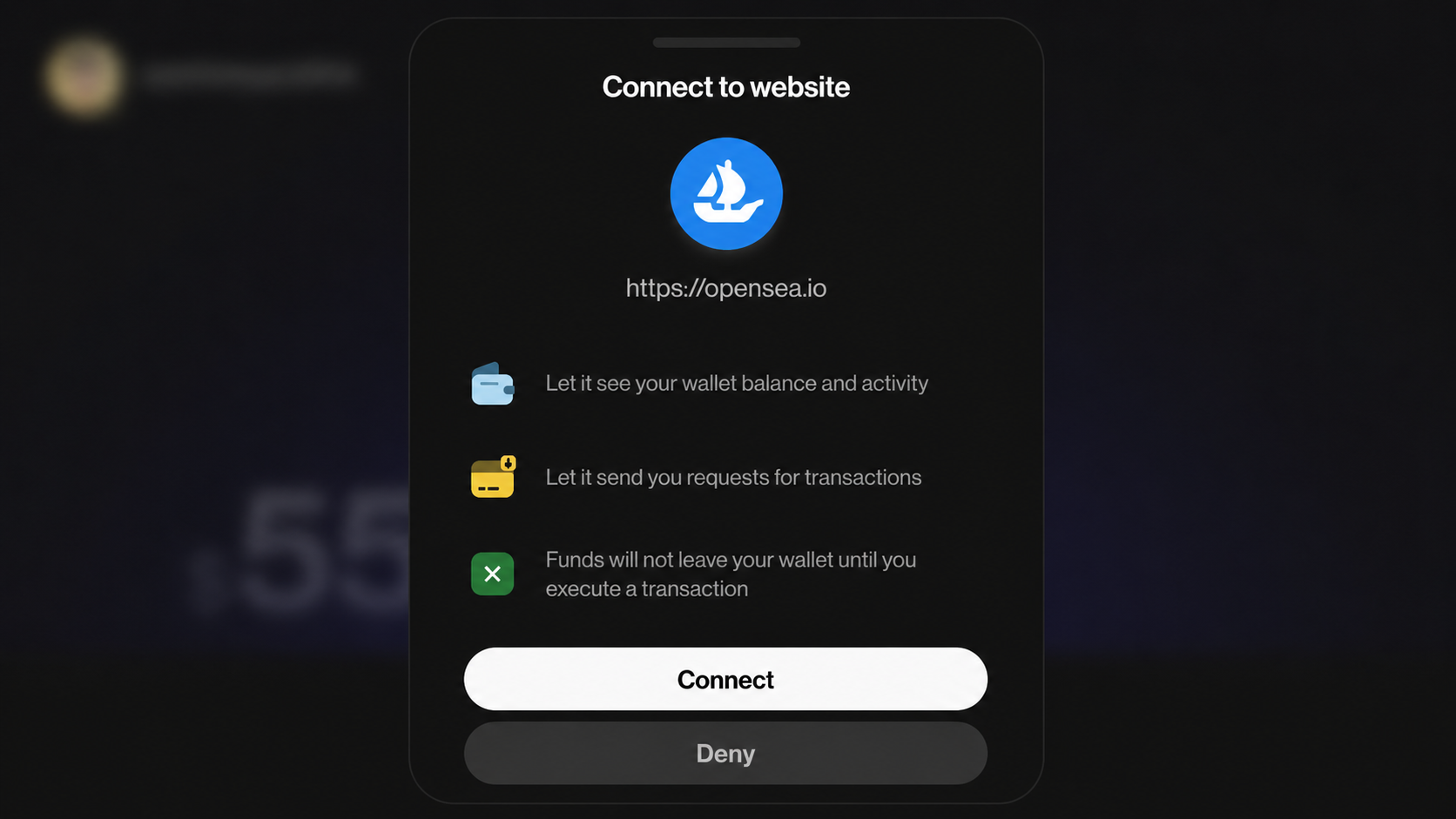
Built-In dApp Browser with WalletConnect 2.0
The app has a native Web3 browser and WalletConnect 2.0 built in, so users can access DeFi, NFT marketplaces, games and staking apps all within Tria– no need to switch apps.
Step 7
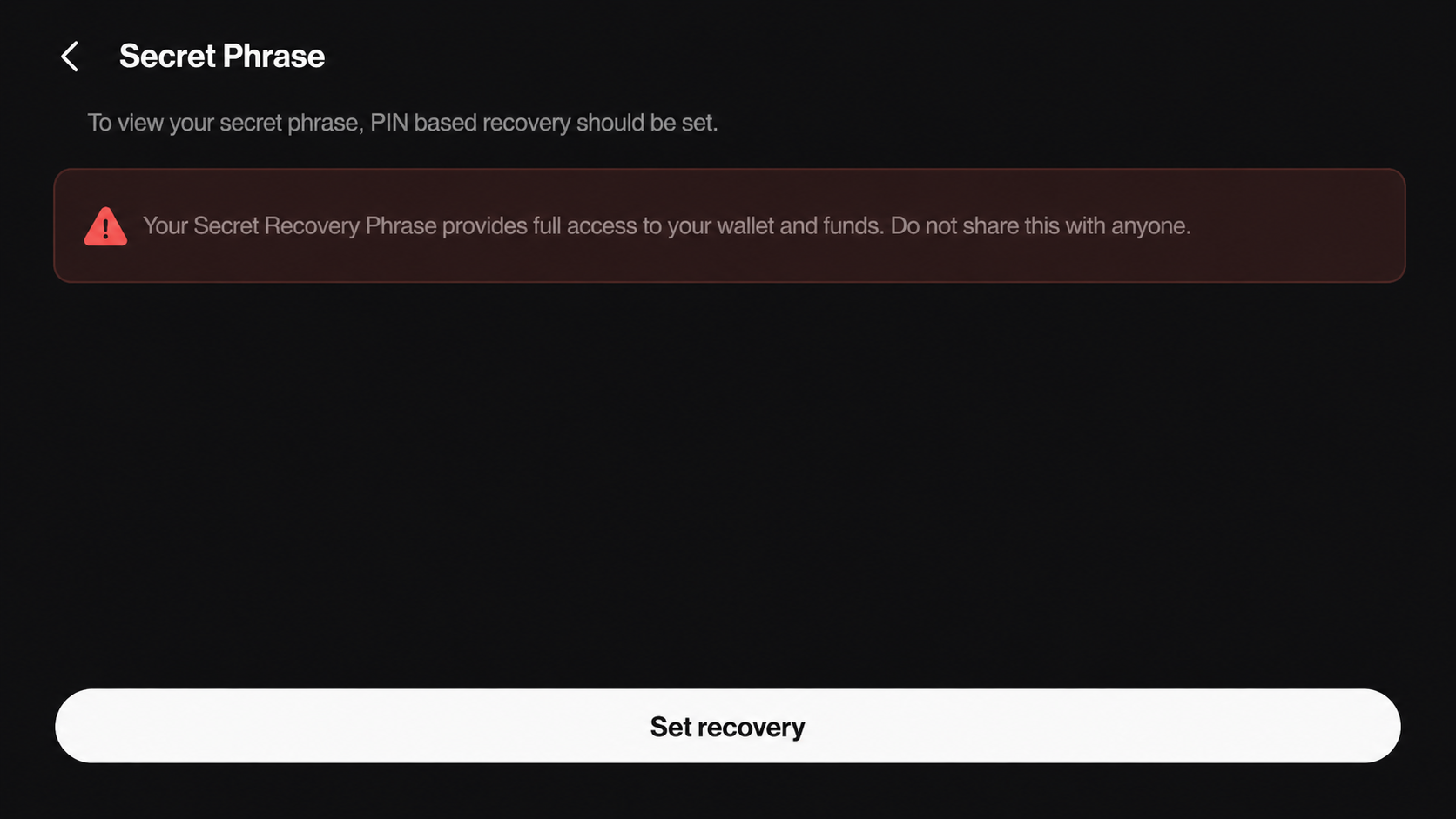
Secure Backup & Recovery
Users can backup their wallet data and restore their accounts as needed without ever exposing a private key or seed phrase.
Step 8
Centralized Tracking, Exchange & Insights
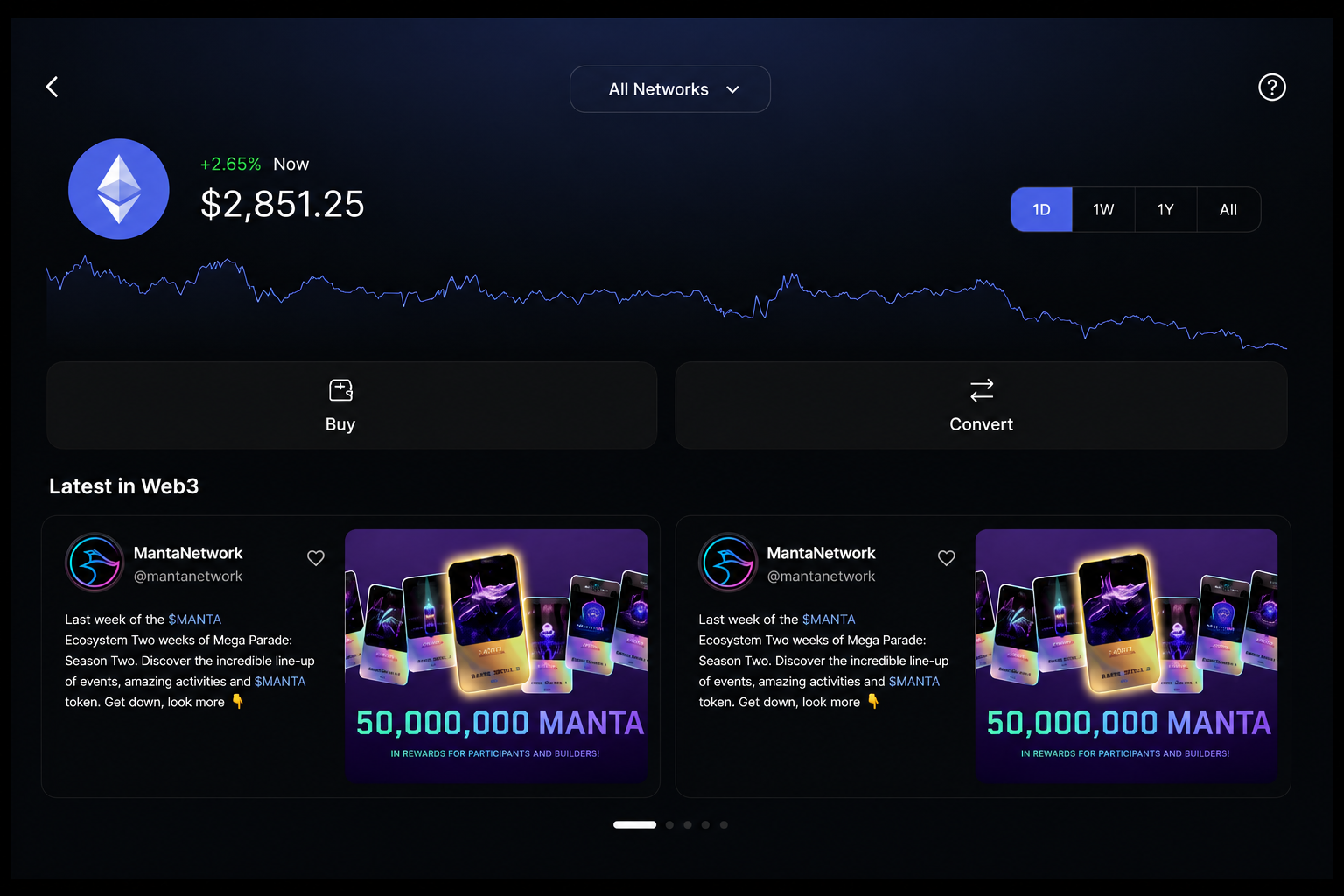
With an integrated exchange and a uniform transaction history, users can trade assets, monitor activities and keep track of their whole multi-chain portfolio from a single place.
Architecture & Development Framework
Tria Wallet is underpinned by a carefully curated, modern technology stack chosen for its ability to deliver scalable performance, airtight security, and a fluid user interface across a complex multi-chain landscape.

Figma, Adobe Photoshop
UI/UX Design

React Native,Expo
Mobile Development

WalletConnect 2.0, NFT Rendering Engine
Web3 & Blockchain

Encrypted storage, Secure API endpoints
Backend Infrastructure

Selenium
QA Tools & Testing
Measurable Improvements Across the Wallet Experience
The following table quantifies the before-and-after impact across every critical touchpoint of the user journey, demonstrating a fundamental step-change in usability and security.
The Real-World Benefits of a Frictionless Multi-Chain Wallet
Tria Wallet is designed to deliver tangible, real-world value to the entire crypto economy. This is from the cautious beginner making their first purchase to the skilled power user orchestrating techniques across multiple DeFi protocols.
Simple Onboarding. No Seed Phrases.
New users can start self-custodying assets without ever seeing a seed phrase or private key, removing the biggest barrier to entry in Web3.
Seamless Access. Multiple Chains.
Traders can move across Ethereum, Solana, Bitcoin and other networks with one wallet, eliminating the need to switch between apps or pre-fund gas on each chain.
Reliable Display. Centralized Management.
For collectors that means consistent, fast loading NFT previews and collection data regardless of which chain an item originated from.
A Trusted On-Ramp
Tria's dApp browser and WalletConnect integration offer a native distribution channel for game studios, DeFi protocols and NFT marketplaces.
Closing Thoughts
Tria Wallet promises decentralized finance and makes it a smooth, simple to understand, secure mobile experience where users can have full self-custody and multi-chain interoperability without the usual barriers to crypto.
Tria, powered by MPC/TSS self-custody, gasless transactions, a single multi-chain engine, and a built-in dApp browser, enables users to:
-
 Manage your Ethereum, Solana, Bitcoin, and other assets in one app.
-
Funds in self custody, never touching a seed phrase or private key.
-
Trade across multiple chains without needing to hold gas tokens in advance.
-
View and manage NFTs with confidence, regardless of the chain they came from.
-
Connect to DeFi, gaming and NFT dApps right from your wallet.